Yearly Review for 2025…
I thought I’d try something new this year and spend some time reviewing all my photos taken, pulling out my personal favourites, and putting them into this gallery of my personal best.
I feel that my photography has evolved significantly this year. I mixed up my image processing methodology to better accommodate my frequent use of focus stacking, trying out new software like Helicon & Zeren, eventually settling on Helicon as my new focus stacking pipeline.
I also updated my kit. I felt like I was in a bit of a rut with my A6300 setup. Although this rig was excellent, I did feel like it was limiting my potential with focus stacks. Midway through the year, I migrated over to OM systems for my macro photography, which greatly improved my success rate on focus stacks.
Overall, I feel like I took some of my personal favourite images this year; this gallery has pulled together the ones I like the most. I hope you enjoy.
At the bottom of this section, you can find a gallery of the images if you want to skip the descriptions!
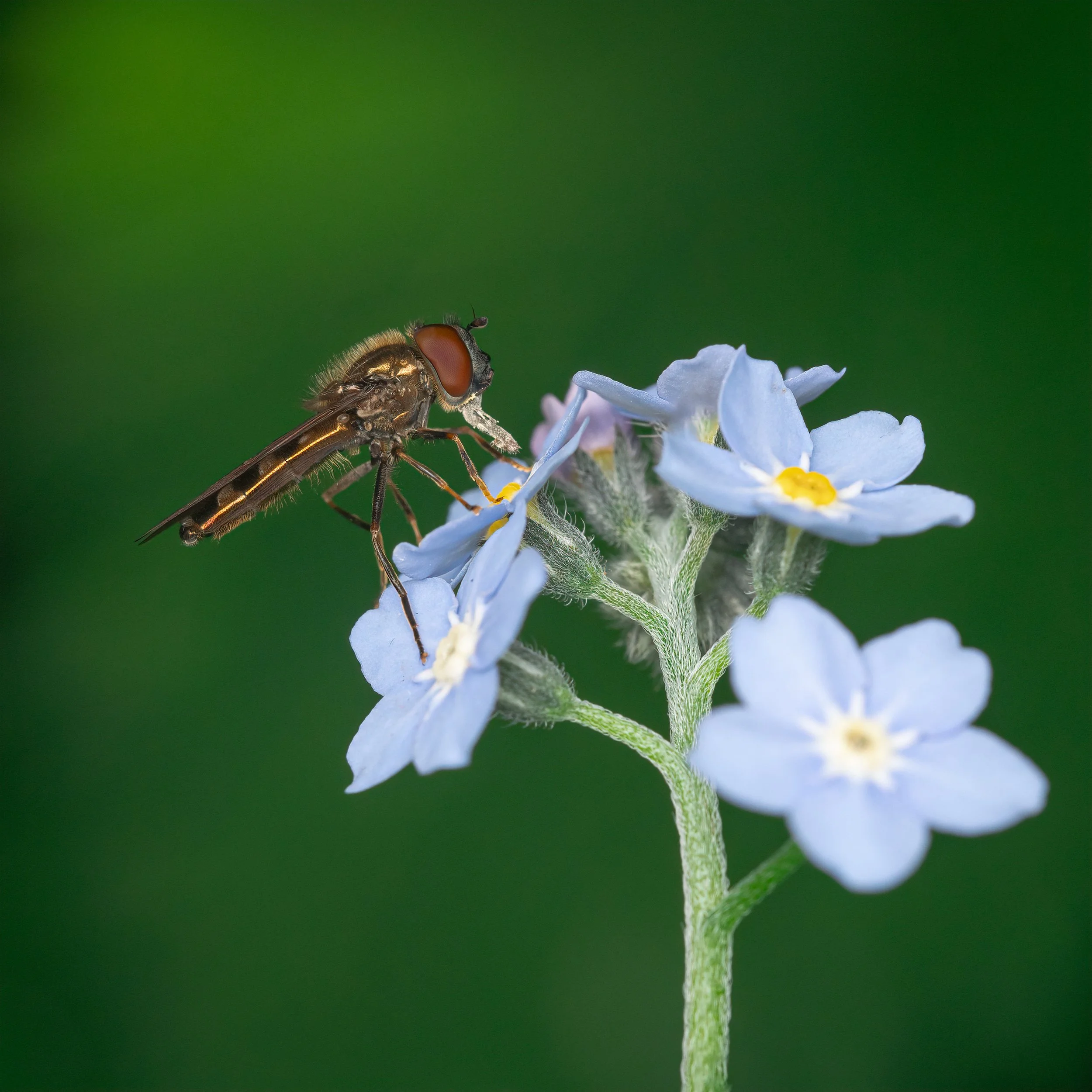
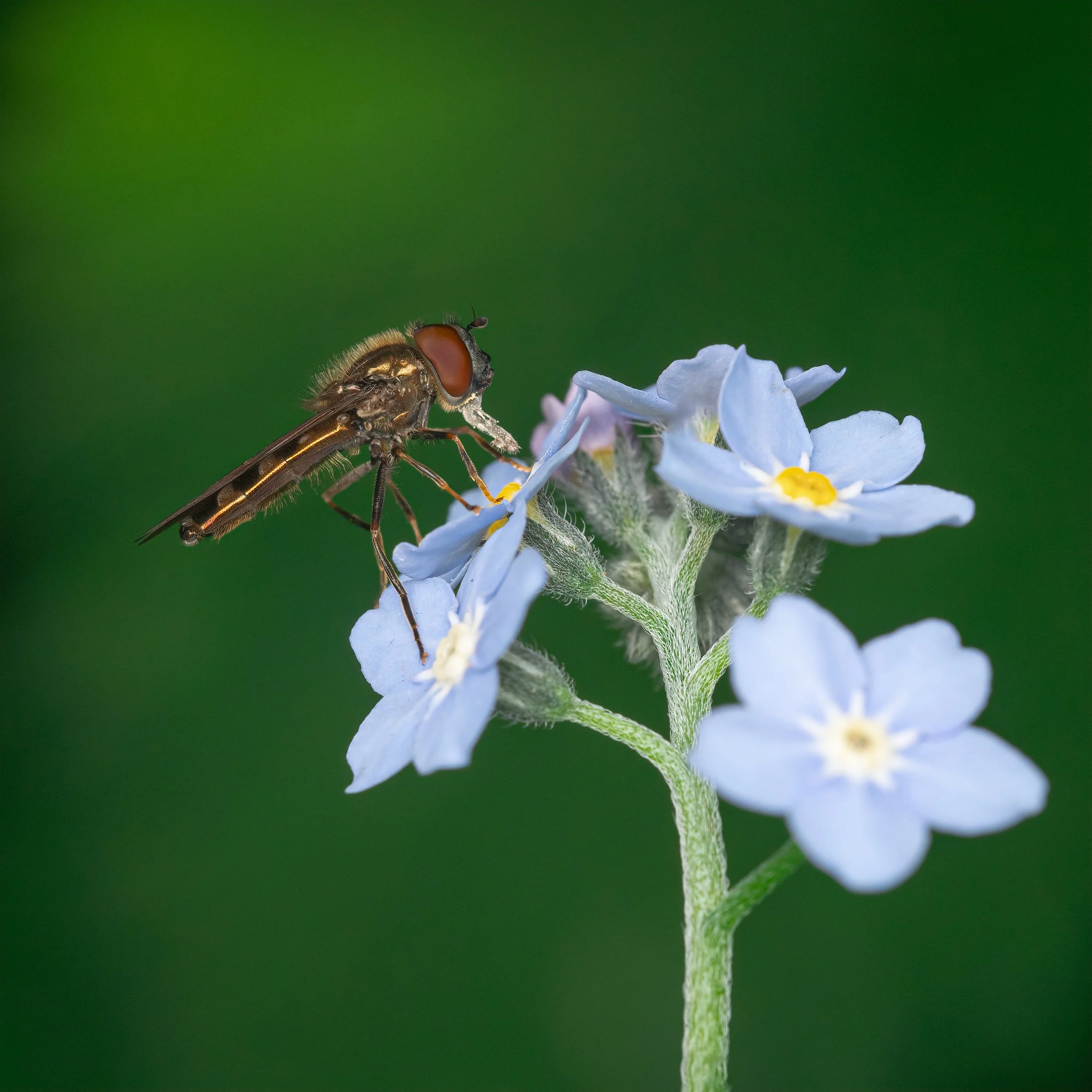
The insect population seemed to kick off quite late this year. The first shot I liked of the year was of a Grey-spotted Sedgesitter (Platycheirus ) on a TBC Flower, taken on the 16th April in St Neots.
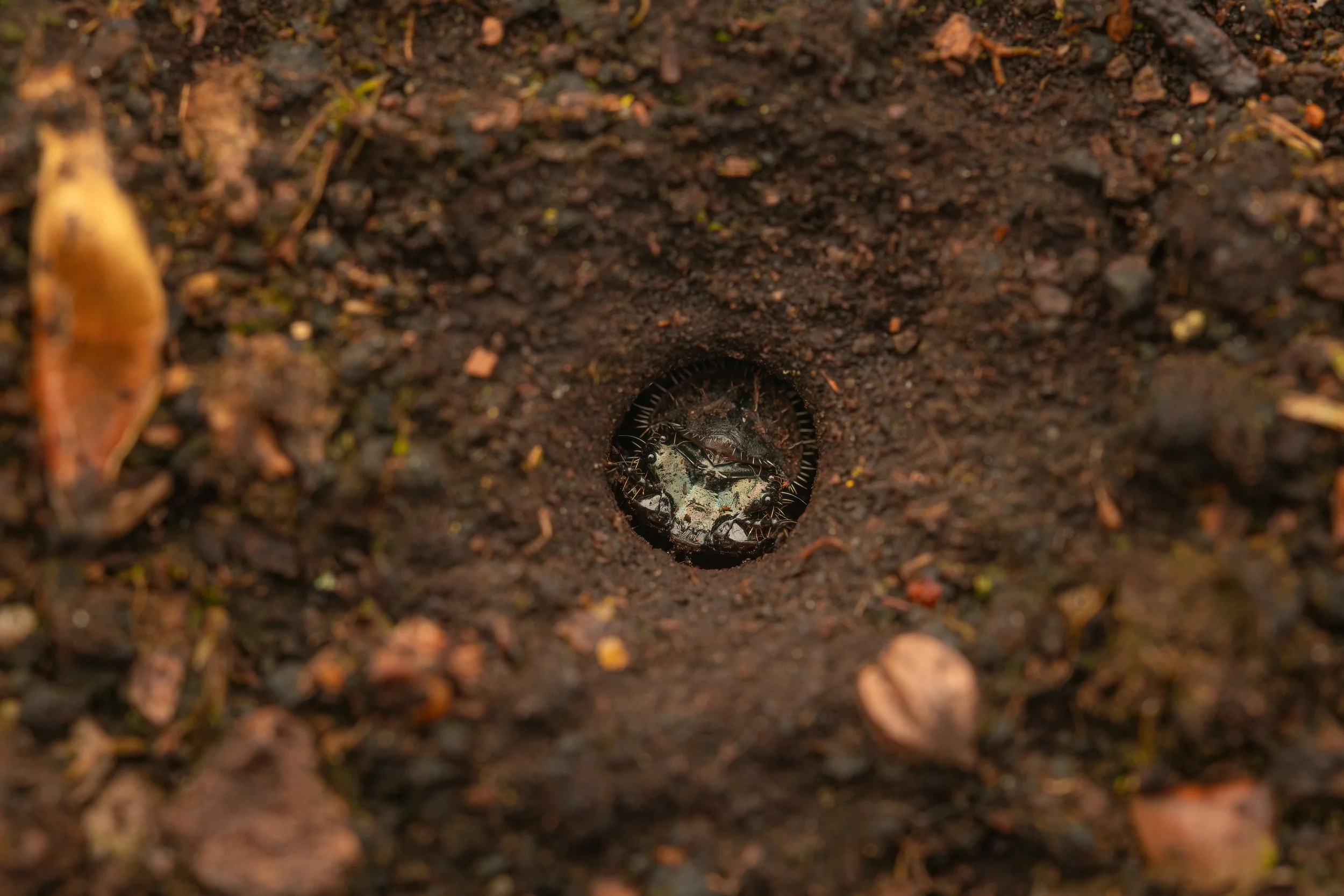
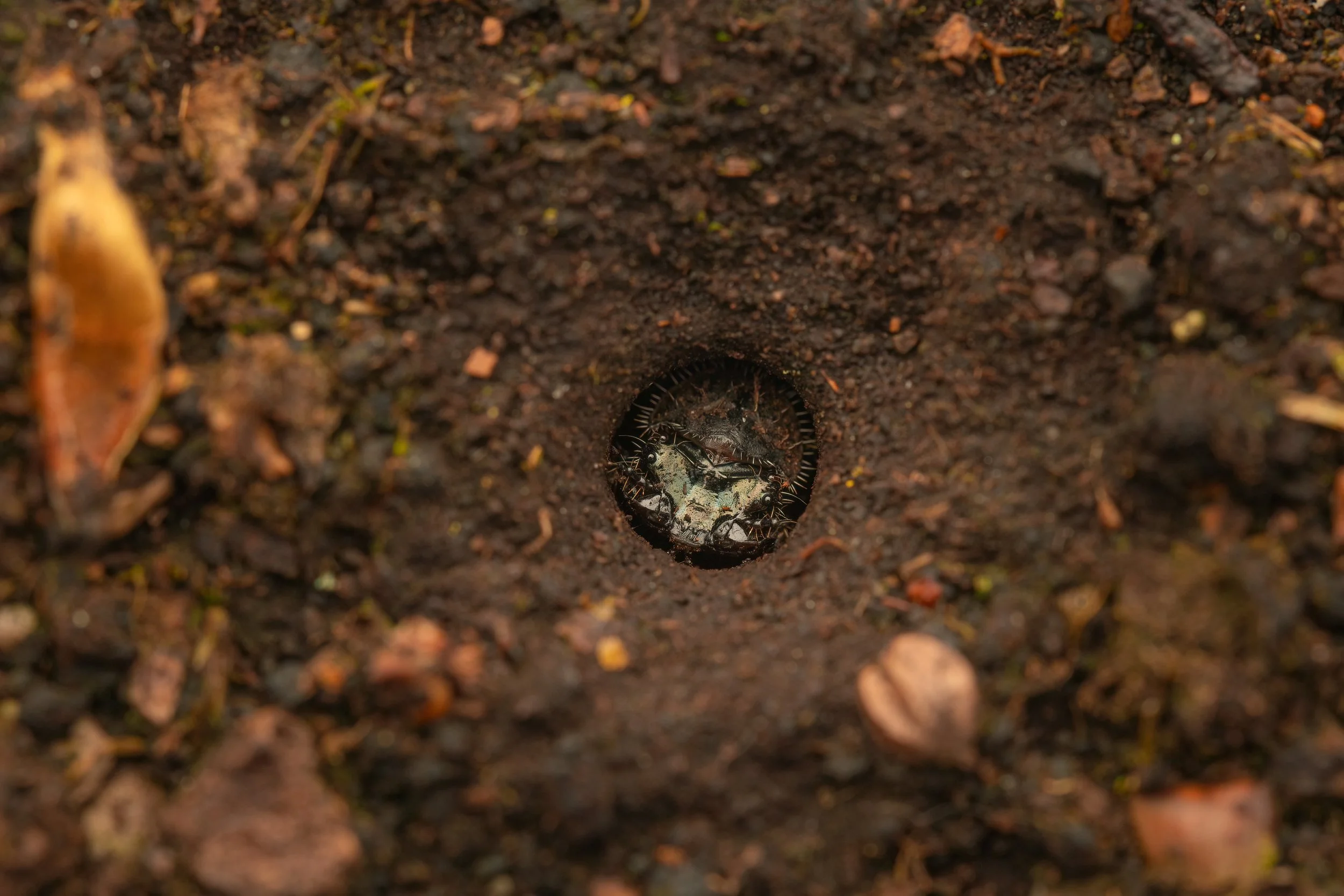
Here is a funny photo of a Green Tiger Beetle larva (Cicindela campestris) in its burrow.
While walking about, I noticed lots of these perfectly circular burrows in the ground. I decided to sit by a dense patch of these until I saw what was creating them. It didn’t take long until this larva poked its head out, looking straight at me.
This shot was taken at Holme Fen on the 27th April.
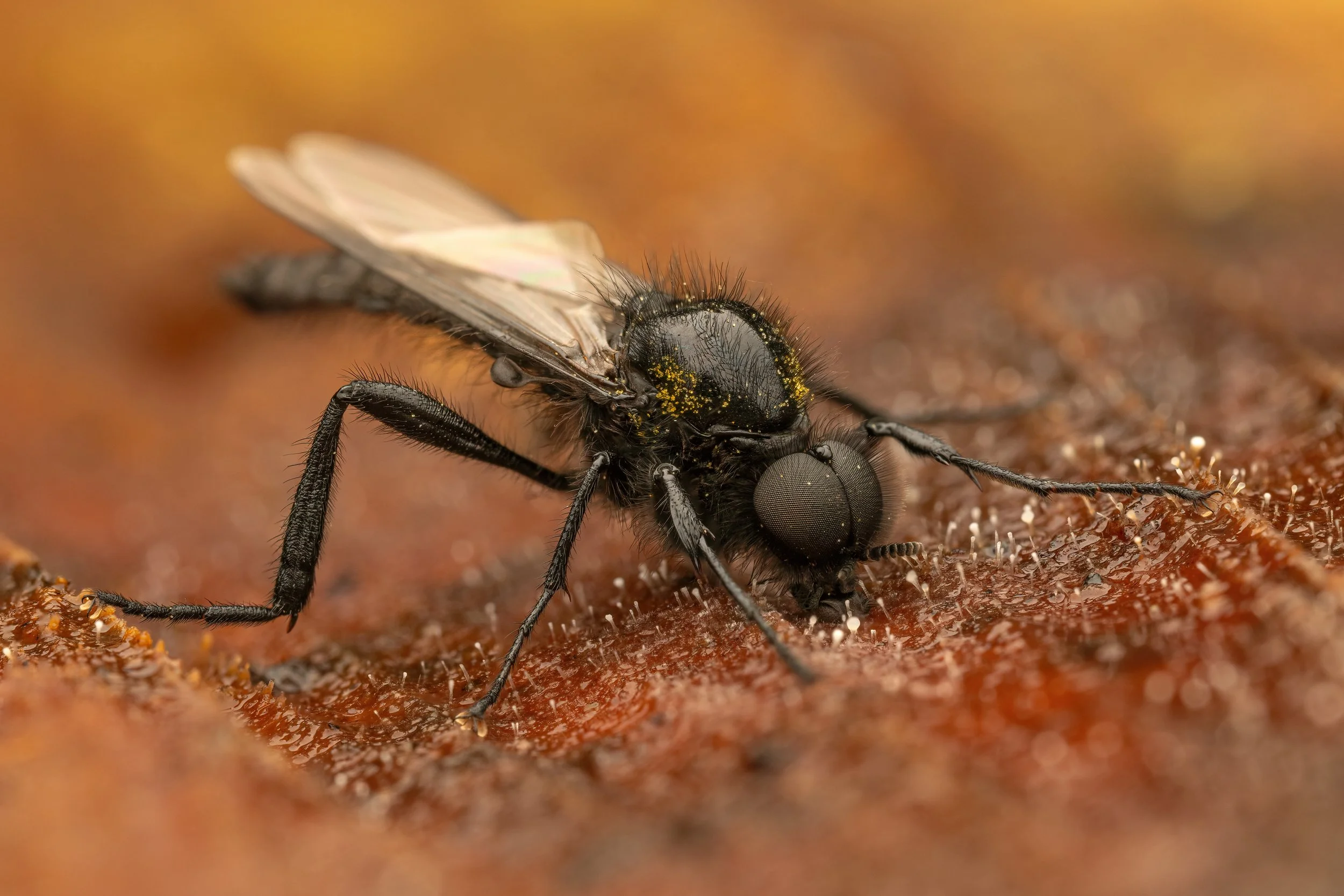
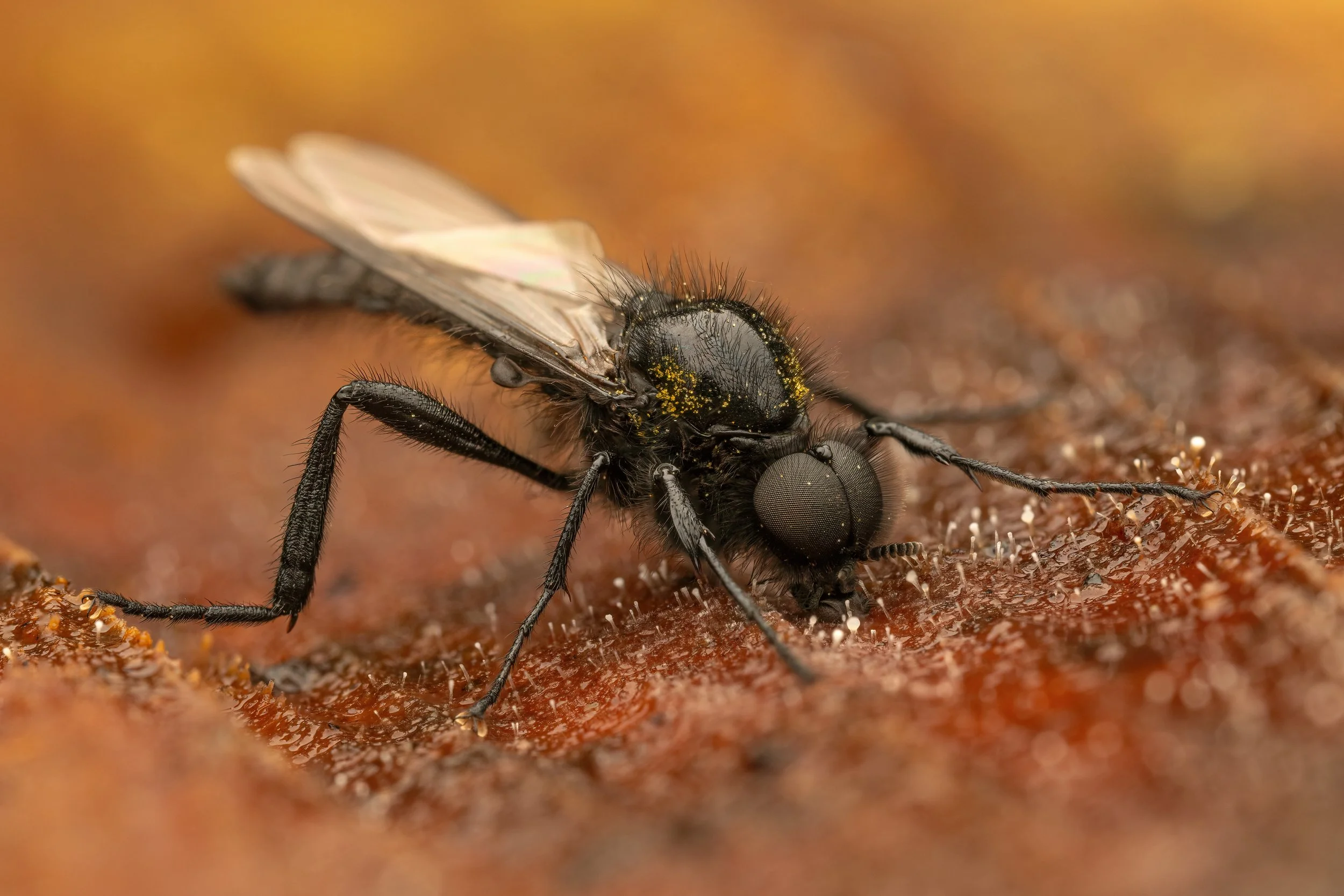
This shot was taken on the same day as the previous one and was the first focus stack of this set. We can see a Hawthorn Fly (Bibio marcci) feeding on mold spores. I really liked the colours of this shot.
This photo was taken at Holme Fen on the 27th April.
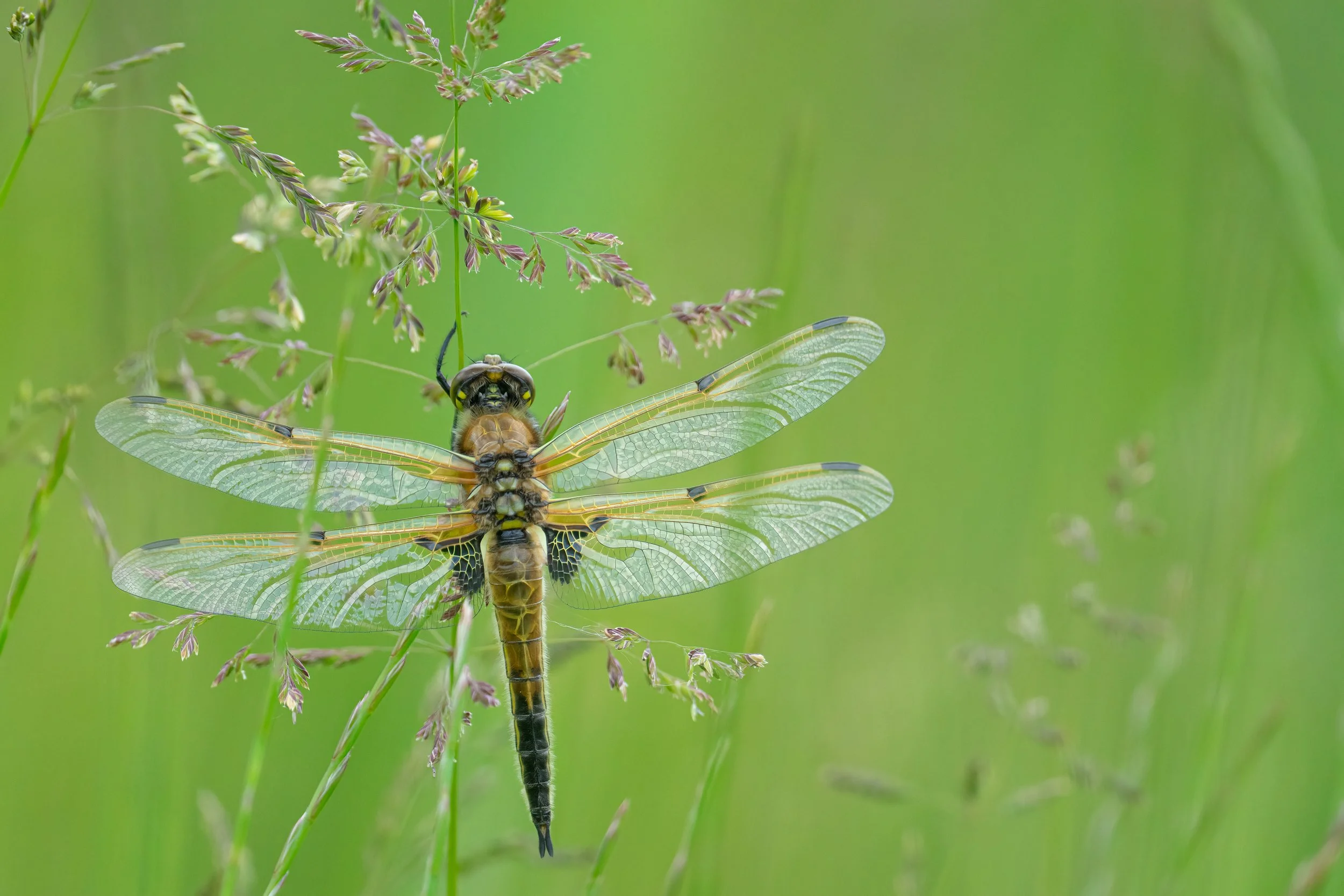
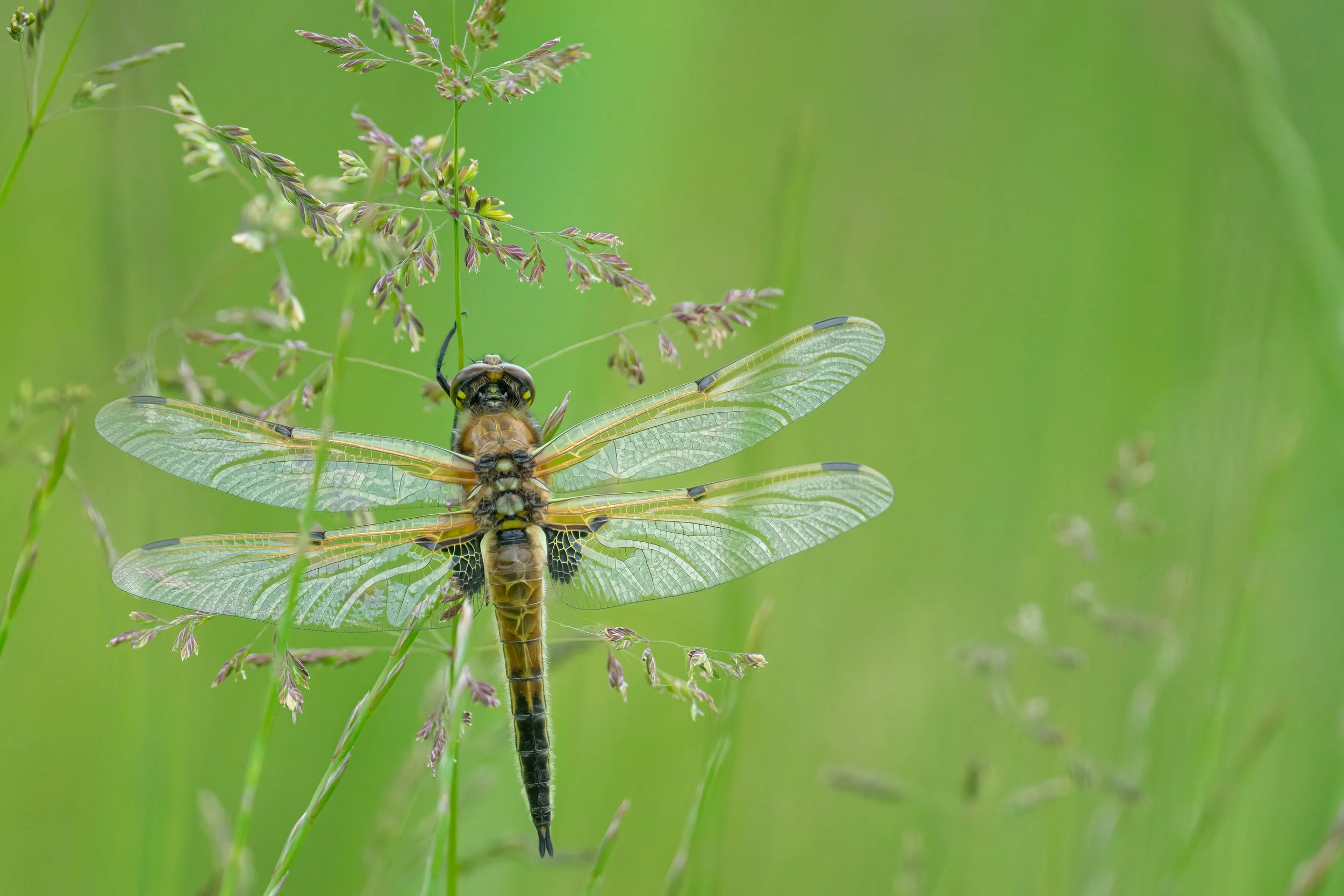
This photo is a single shot taken on the Sony 200-600mm, meaning it’s not a traditional macro image. Luckily, the Four-spotted Chaser (Libellula quadrimaculata) is quite a large subject… This image was taken at Woodwalton Fen on 1st June.
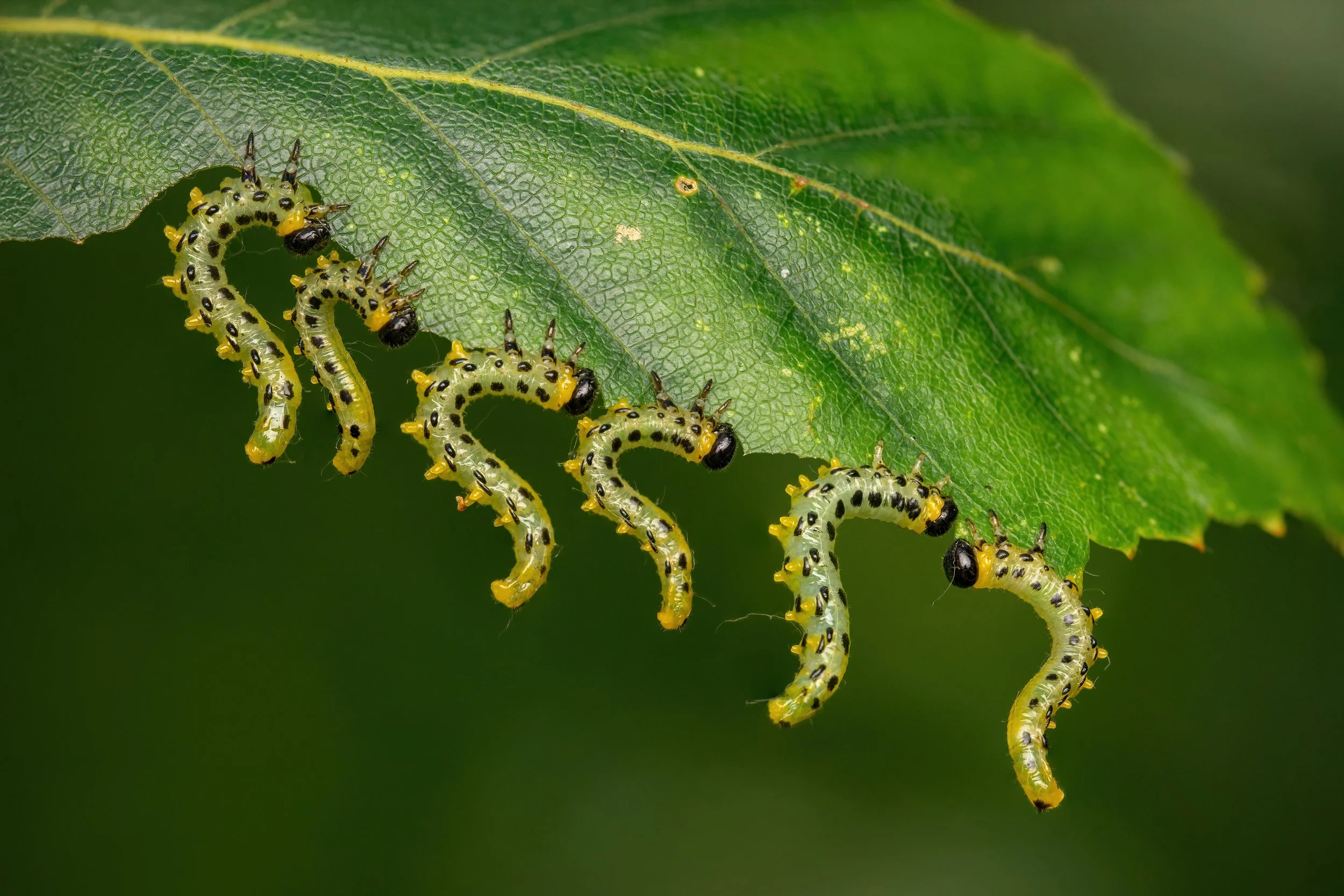
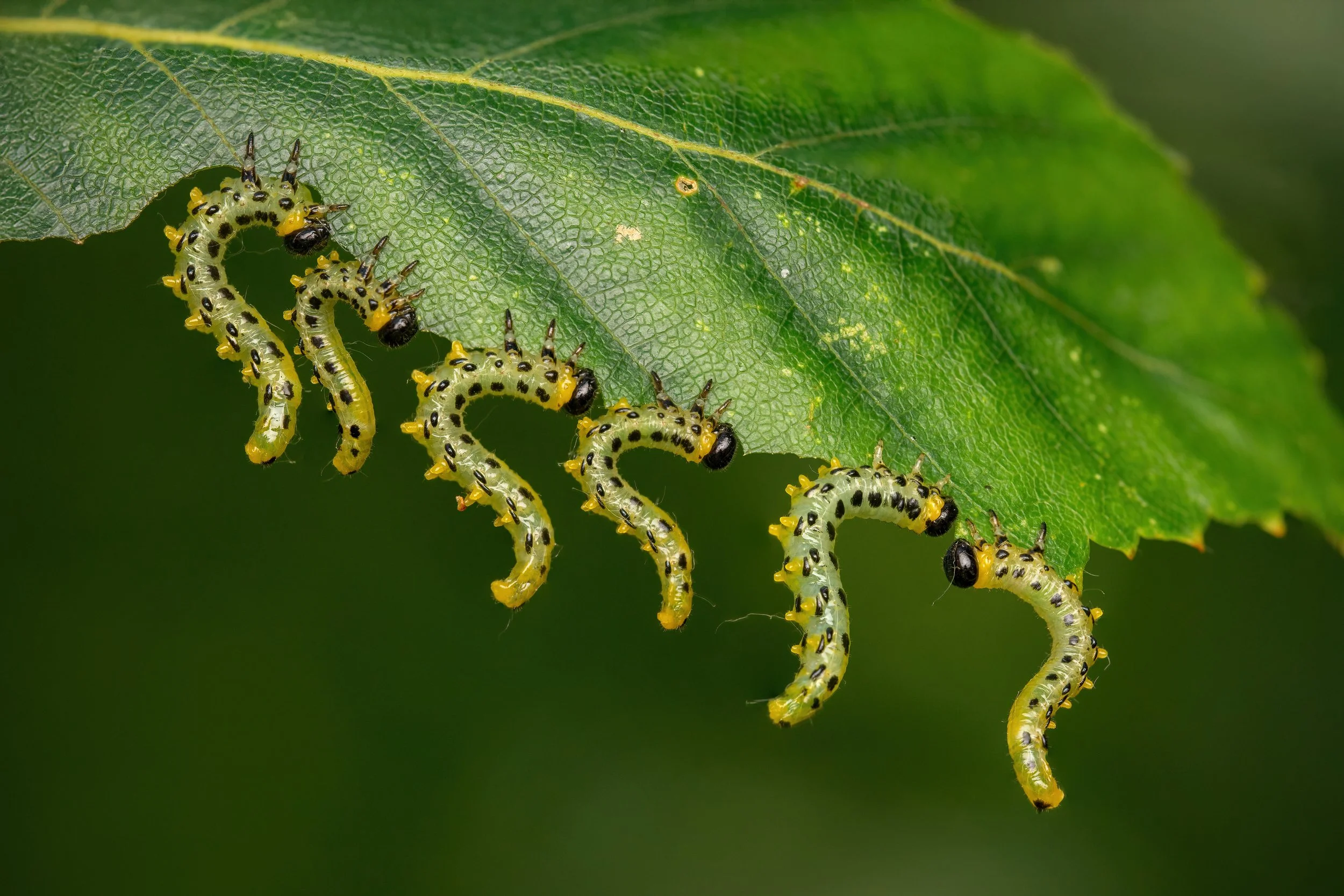
This is one of my personal favourite photos of the year. The image was taken on a very uneventful lunchtime at work. I’d given up finding subjects and was having a chat with one of my colleagues by our bridge when I noticed the army (No, I’ve not lost it, the collective noun for caterpillars is army)
Here we can see an army of Spotted Regal-Sawfly larvae (Nematus septentrionalis) devouring the leaves of a birch tree.
They have all been alerted by my presence as they are in a defensive position where they simultaneously raise and arch their abdomens into an "S" shape. This position is intended to confuse and deter potential predators, as they simultaneously perform these motions, is gives the effect that they are a combined larger insect.
This shot was taken at Harston Mill on the 13th of June.

Here we have an interesting shot of a Common Green Capsid (Lygocoris pabulinus) sitting in a Common Fleabane (Pulicaria dysenterica) with its petals curled up. This photo was taken in St Neots on the 10th August.
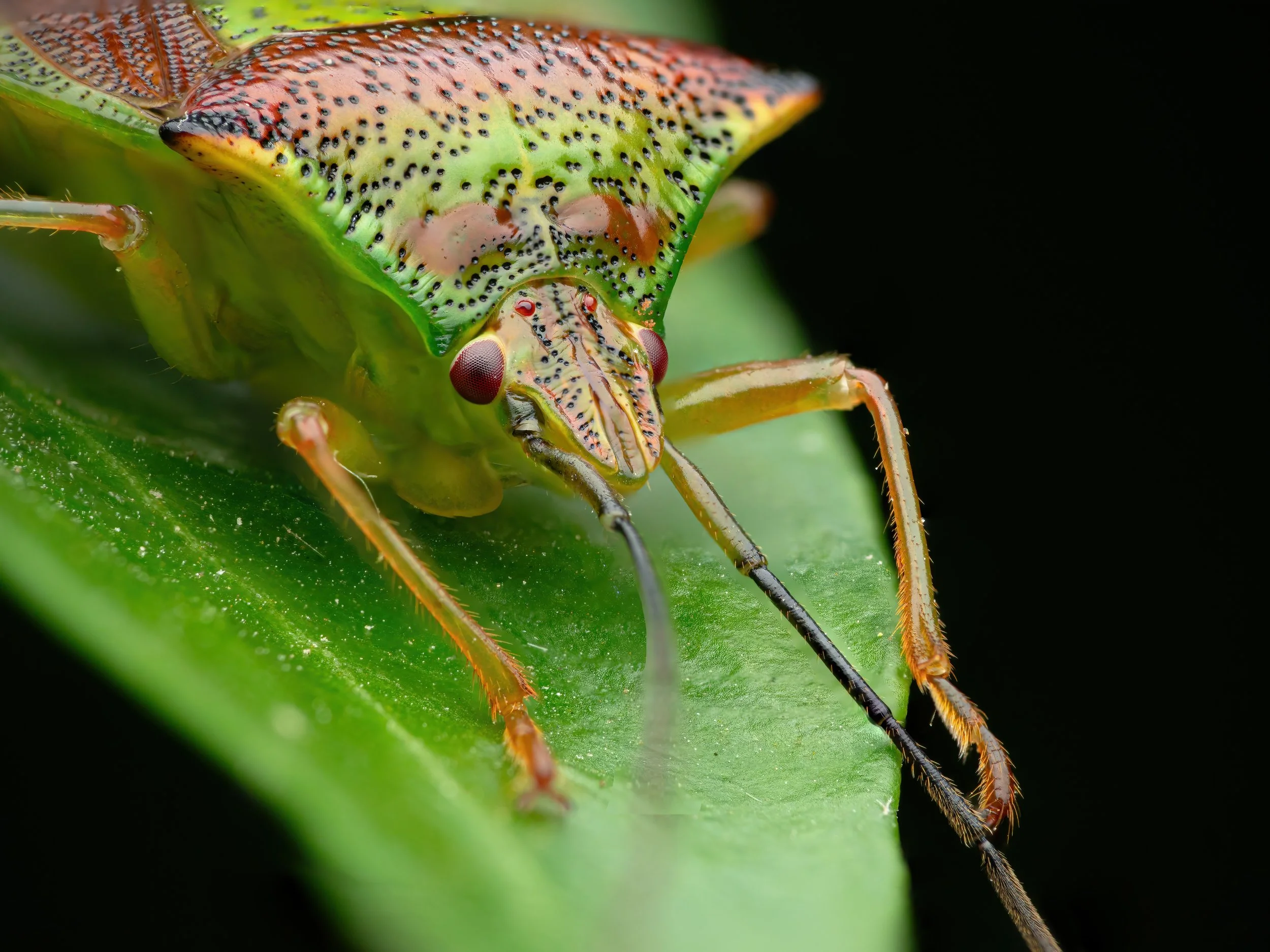
Here we have one of my all-time favourite photos of a Hawthorn Shield Bug (Acanthosoma haemorrhoidale). This is a very common species, but I really love the colours this species displays on its pronotum. This photo was taken on the 12th August at Harston Mill.
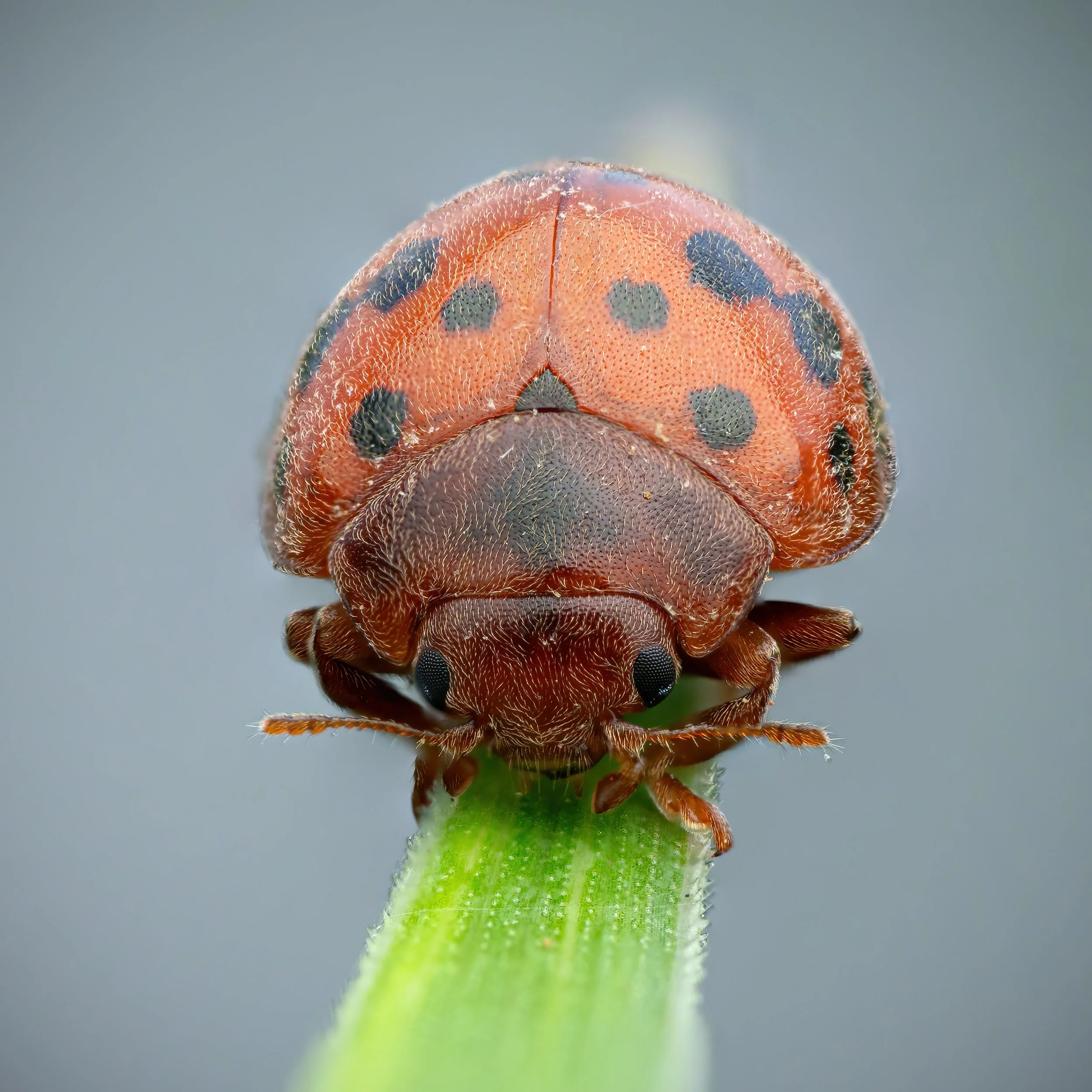
This image marks my migration over to the Helicon Focus software for stacking my images, as I was finding lots of issues with my old process on deep stacks of >50 images.
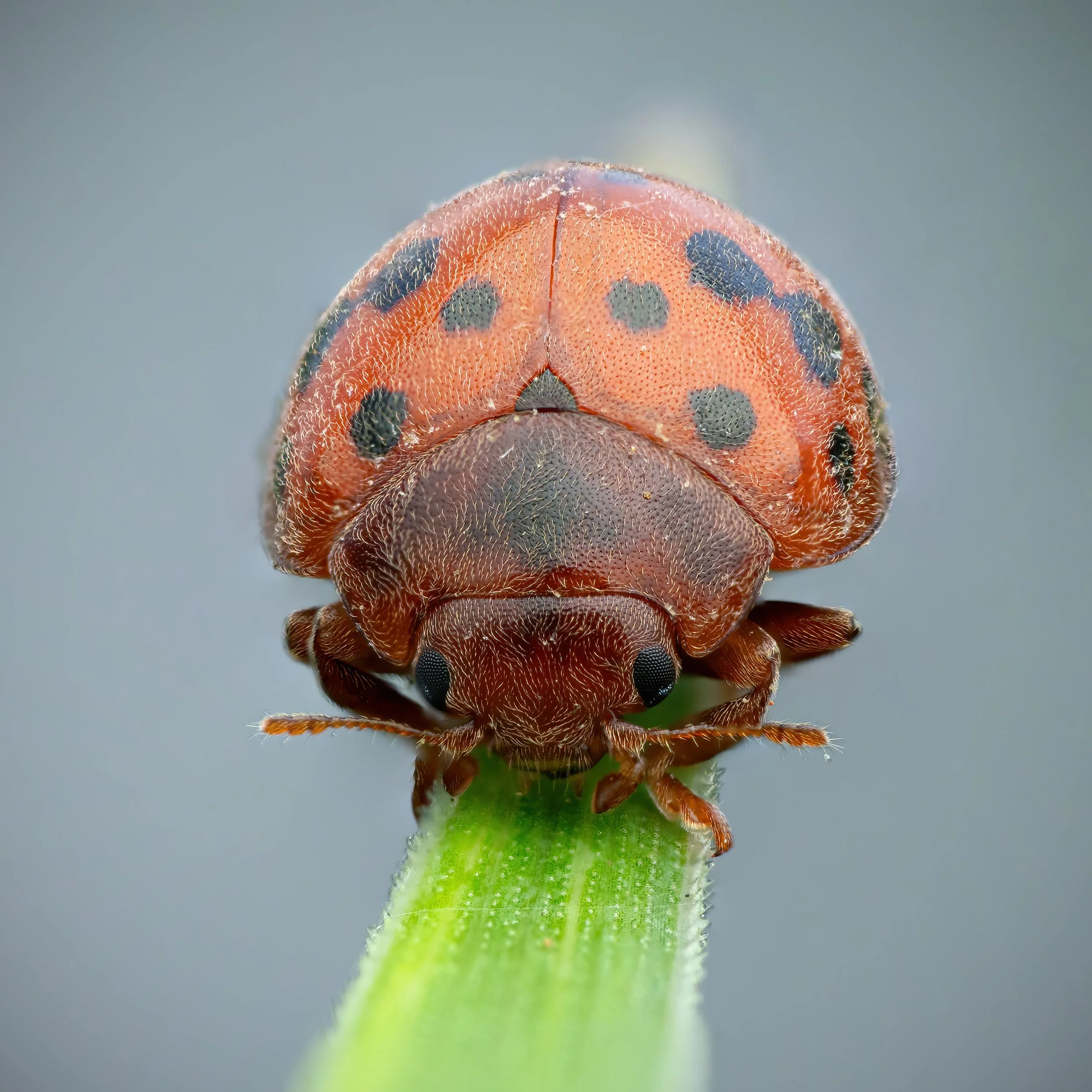
Here we have a deep focus stack of a very small species, the 24-Spot Ladybird (Subcoccinella vigintiquatuorpunctata), taken at Begwary Brook on the 13th of August.
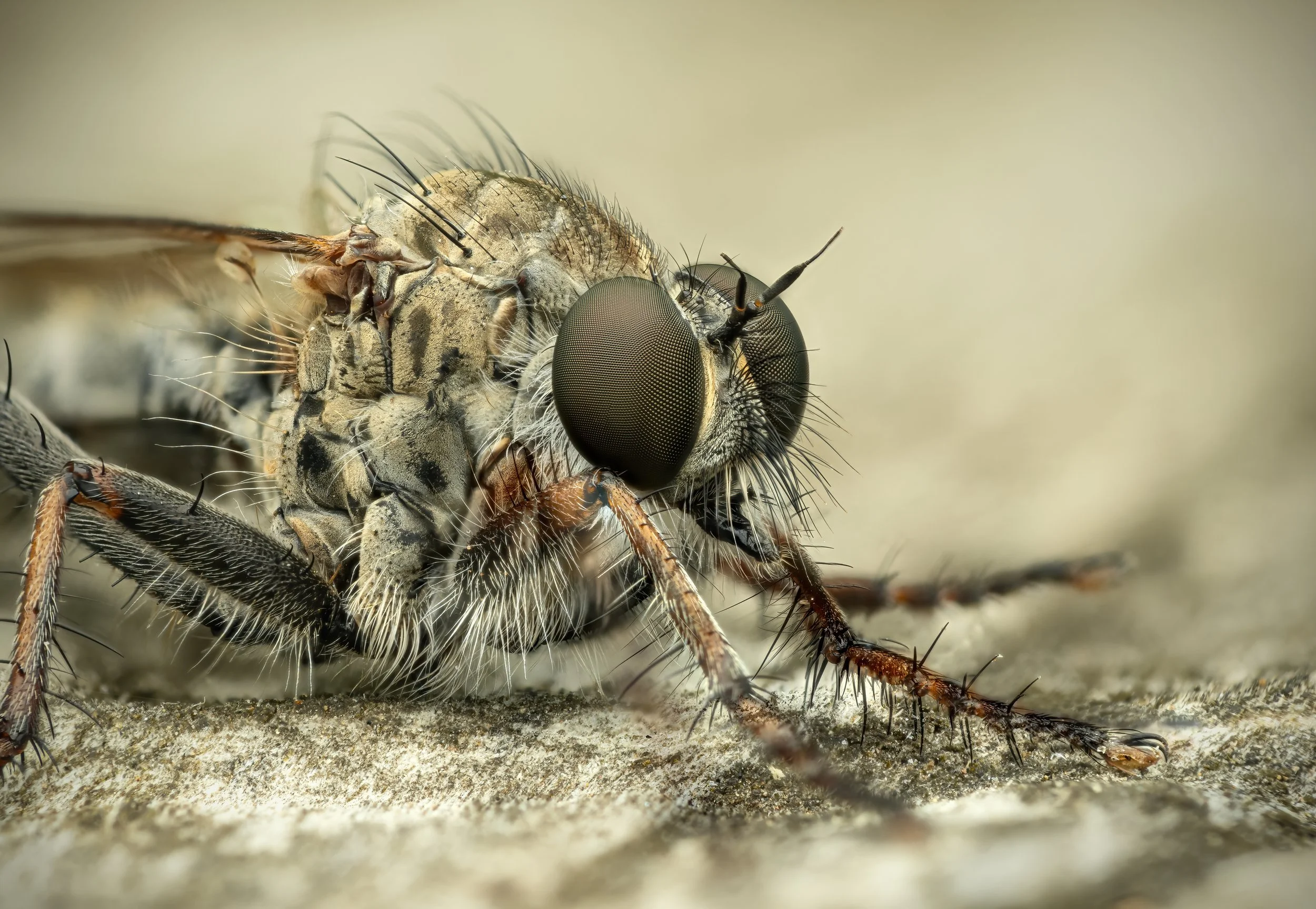
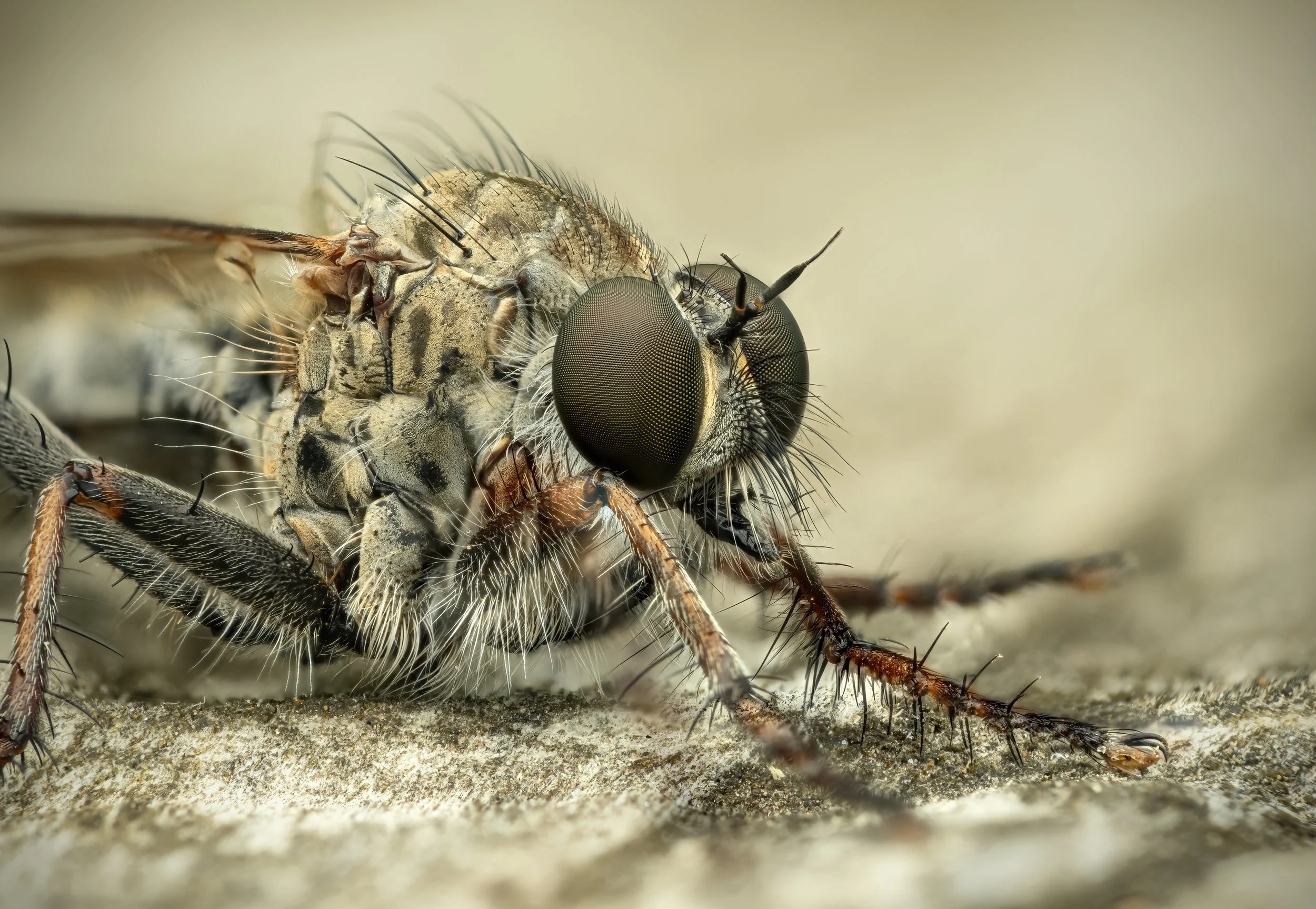
Here we have a great portrait of one of my personal favourite species, the Kite-tailed Robberfly (Tolmerus atricapillus), taken at Sandy on the 17th August.
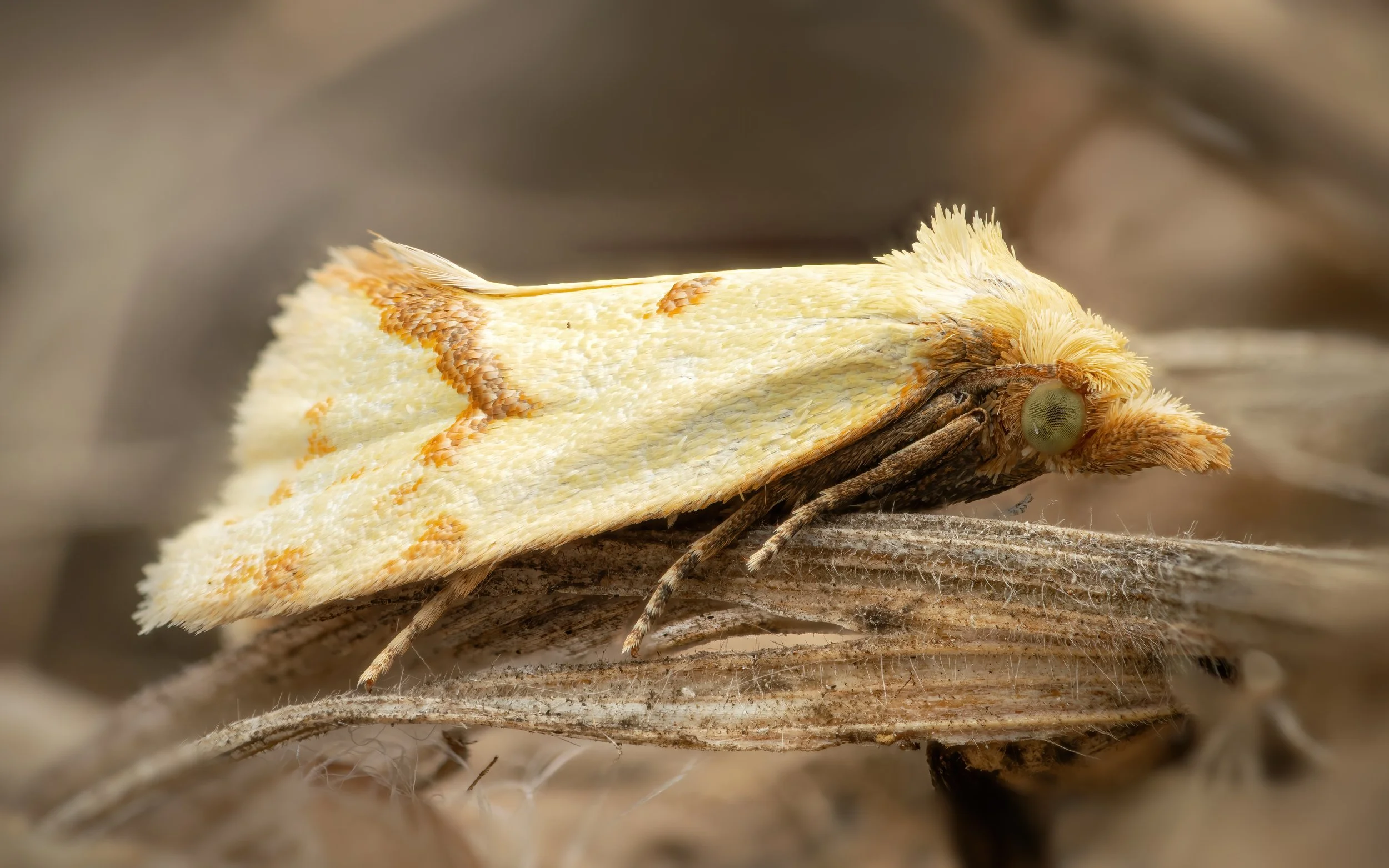
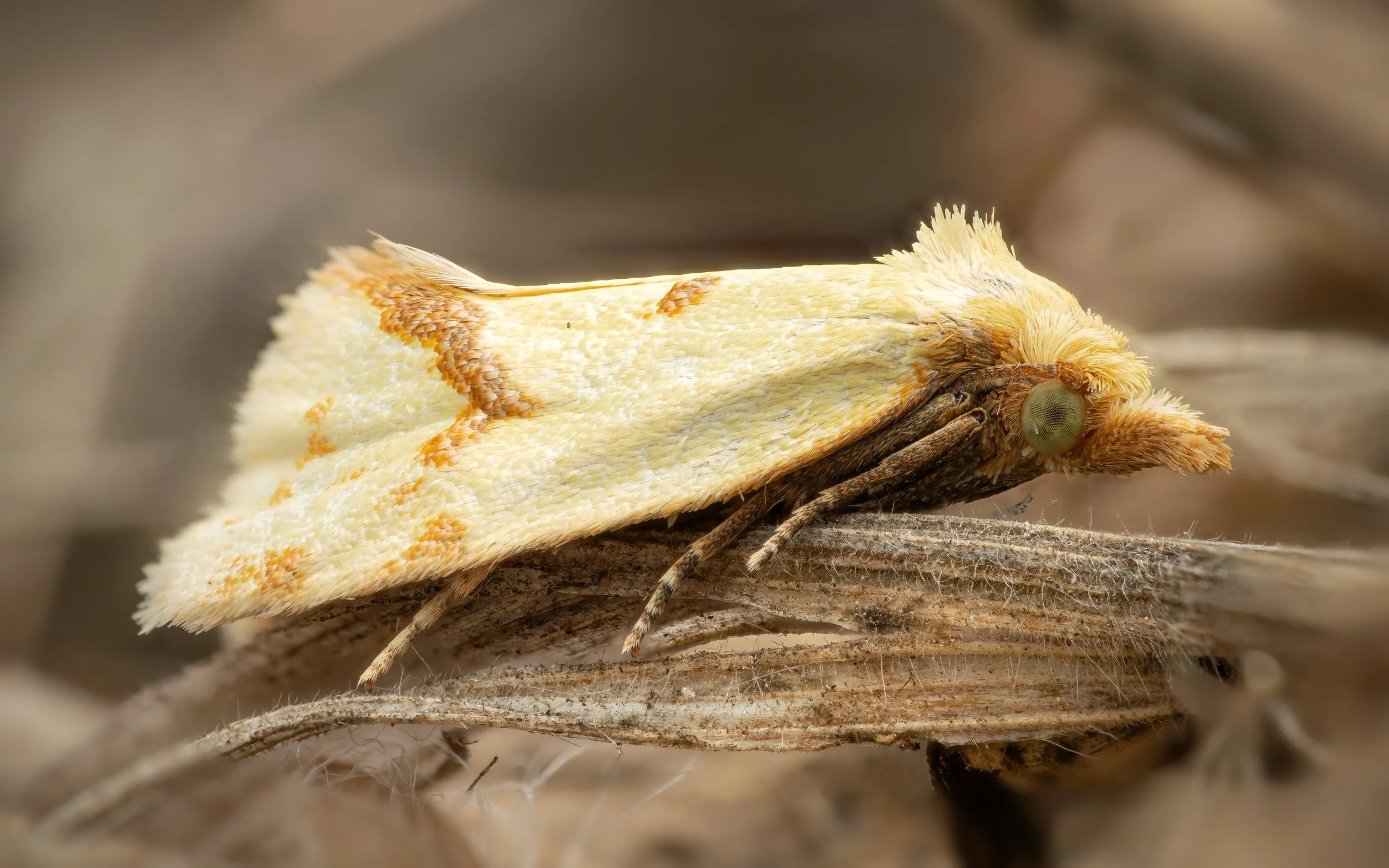
Here we have what was, at the time, my largest successful focus stack. This image was stacked from 76 shots taken in quick succession on the A6700.
The shot is of a Common Yellow Conch (Agapeta hamana) taken on 19th August in Harston.

This photo had to be one of my luckiest of the year. I had been watching this male Goldenrod Crab Spider (Misumena vatia) hunting for around 2 weeks at this point. It was living on a group of flowers near my work, and I made sure to check in on him every day.
On this day, I was watching him as he managed to catch an unsuspecting Dull-backed Sedgesitter (Platycheirus manicatus). Here, we can see a small focus stack taken moments after the Spider caught and paralysed the fly.
This image also marks my migration from Sony to OM Systems for macro photography.
This photo was taken on the 22nd of August at Harston Mill.
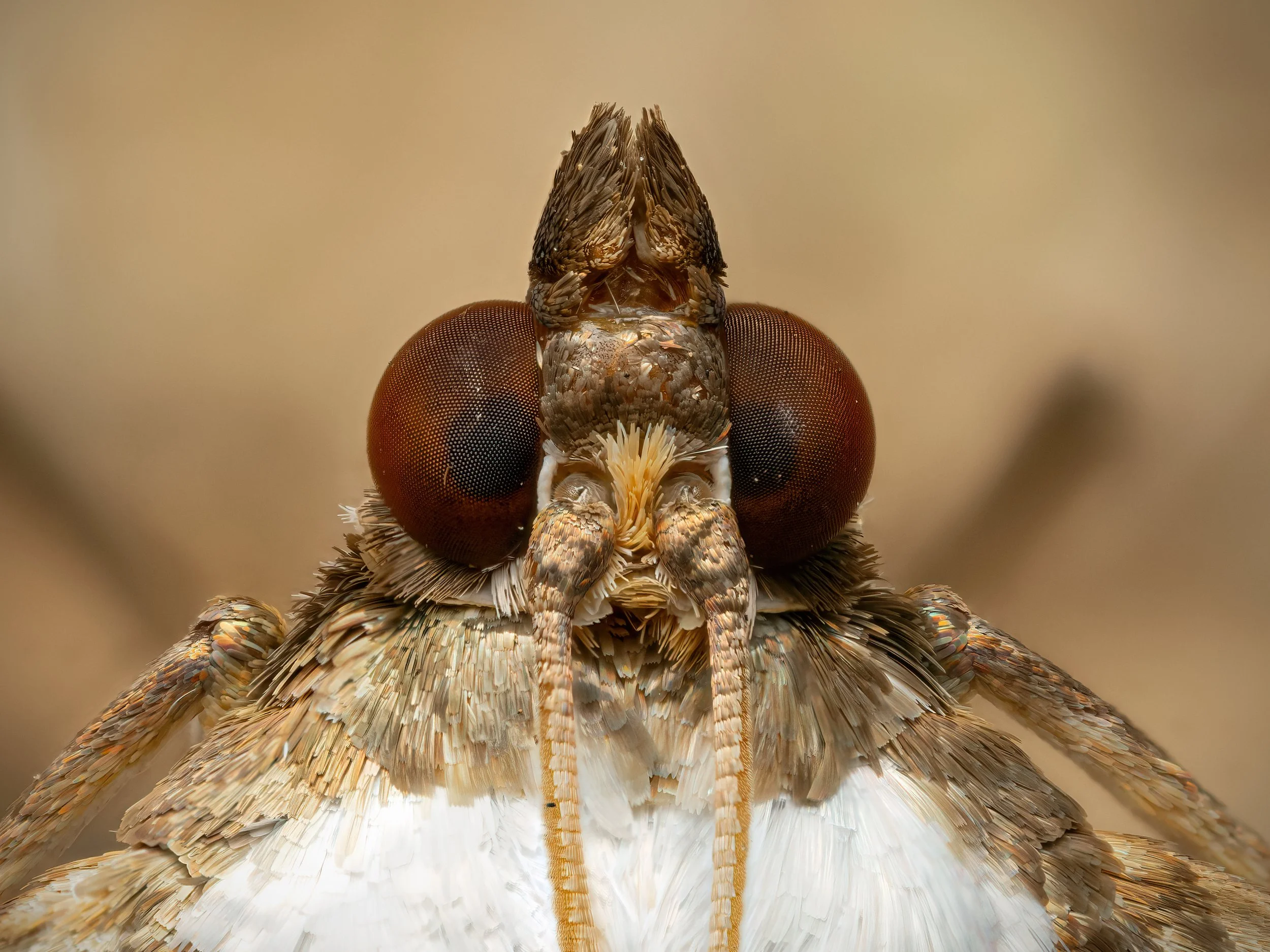
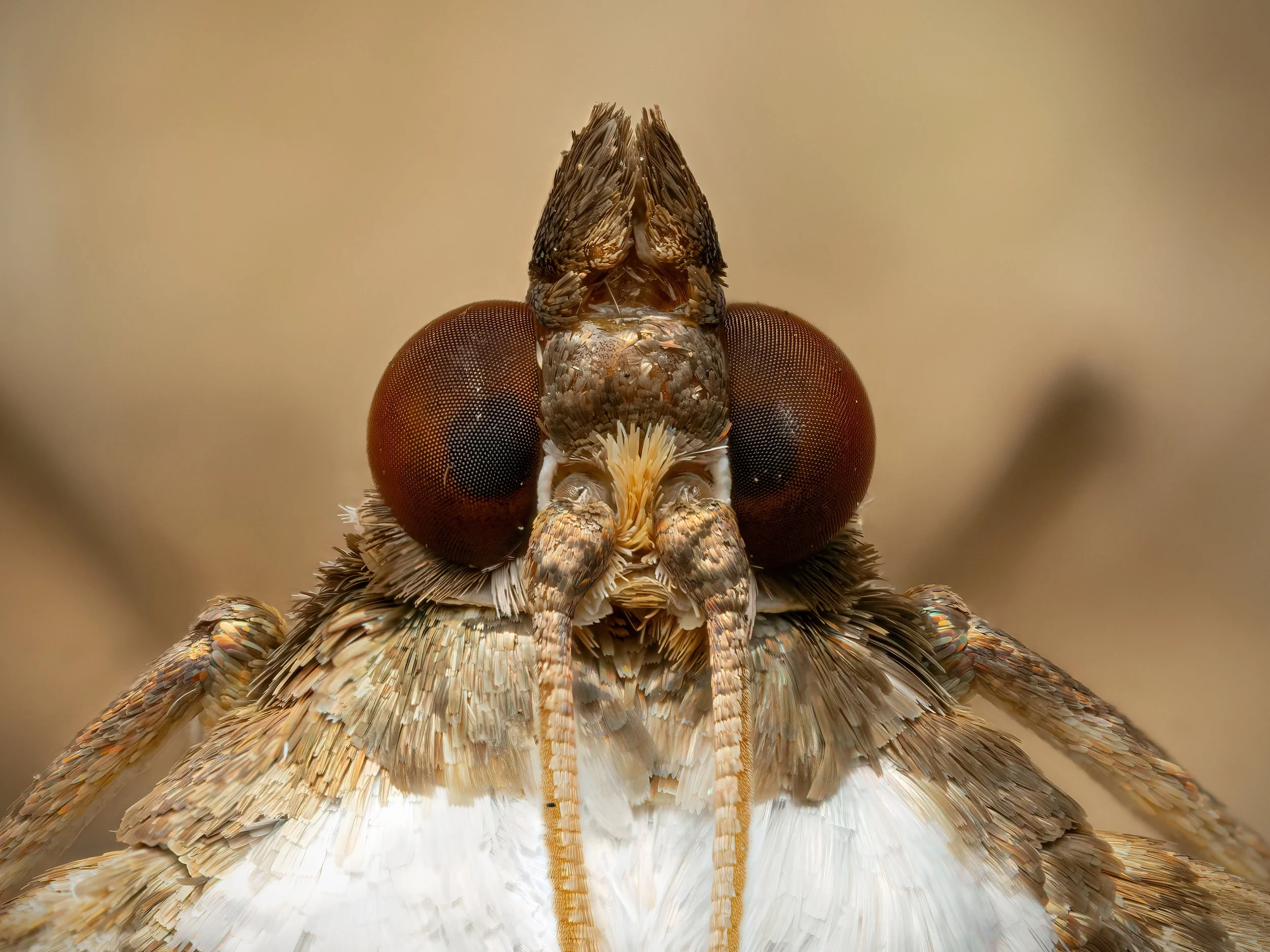
I was lucky enough to find this Box Tree Moth (Cydalima perspectalis) sleeping during the day, which allowed me to compose this very high magnification shot. I was really happy with the detail and composition of this shot, which was taken in St Neots, also on the 22nd August.
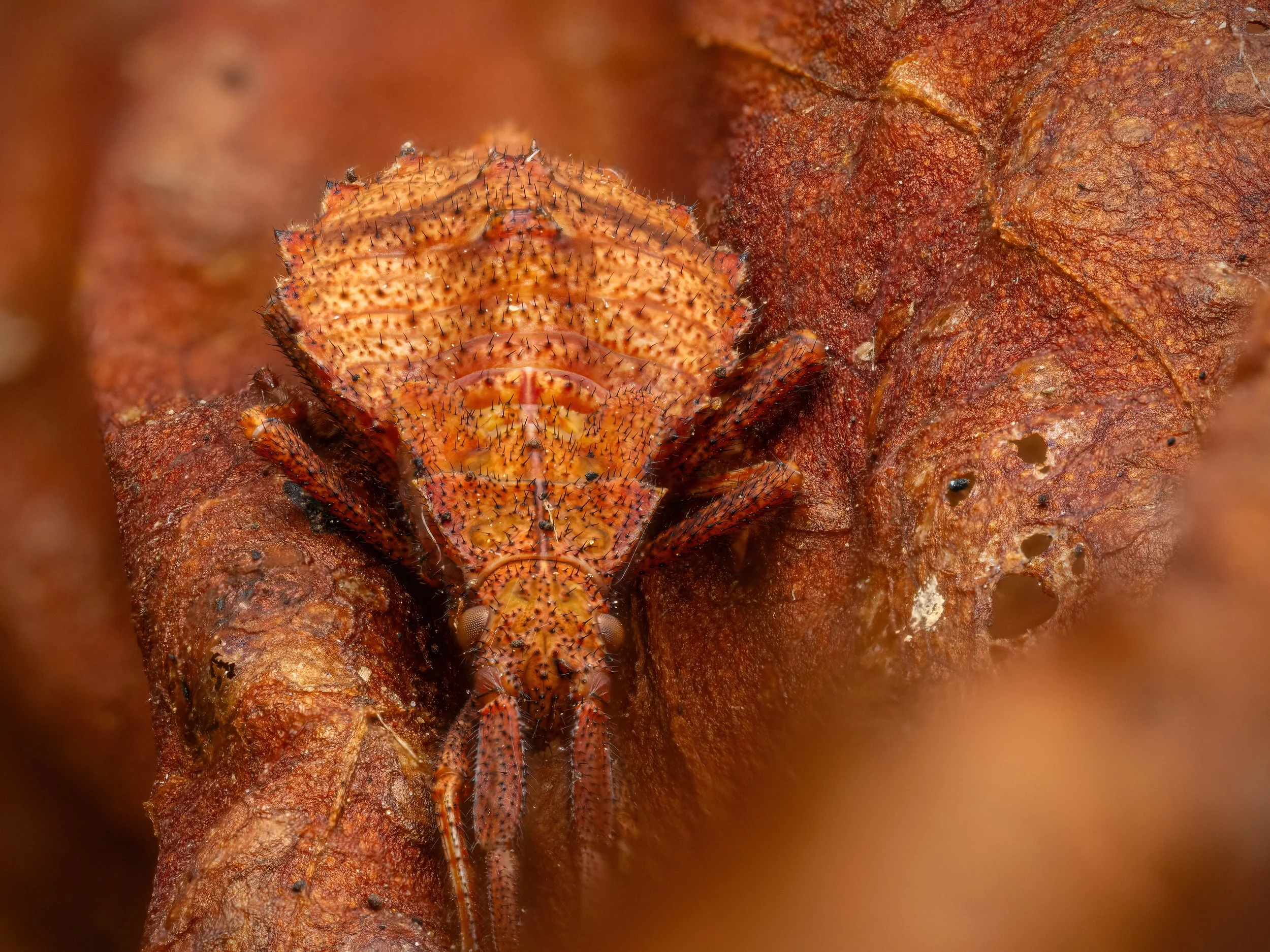
Here we have a shot that really demonstrates the camouflage abilities of some species. This is a shot of a Dock Bug (Coreus marginatus) hiding in a curled-up, decaying brown leaf. This shot was taken in St Neots on the 23rd of August.
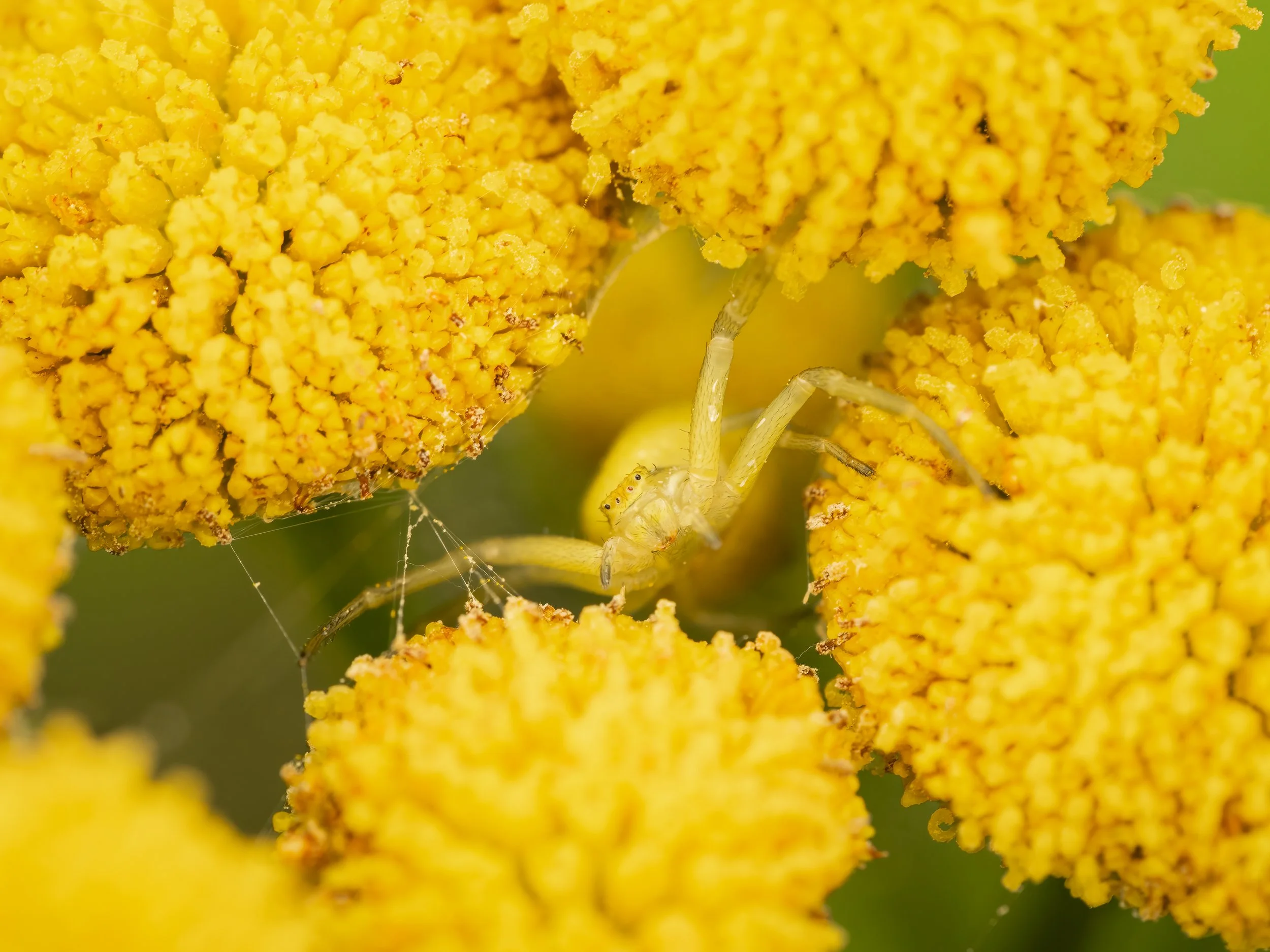
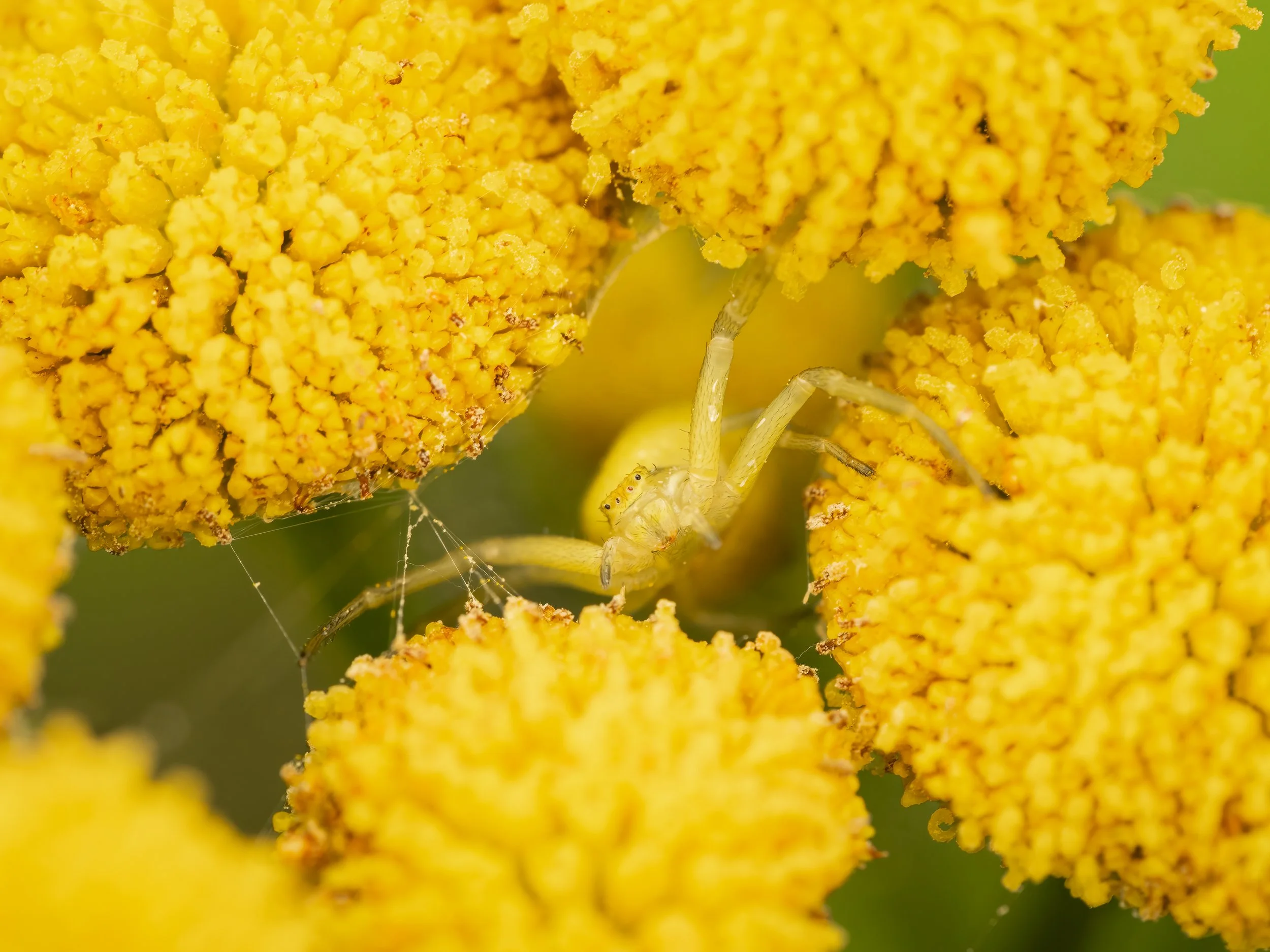
Here we have another shot showing off the great camouflage of some species. This shot shows a Goldenrod Crab Spider (Misumena vatia), this time with a yellow appearance.
A fascinating fact about this species is that it has the ability to change the colour of its body to better match its surroundings. Studies have demonstrated that this species can change from bright yellows to pure whites and to light green to better hide in their surroundings.
This shot was taken along the River Ivel on the 24th of August.
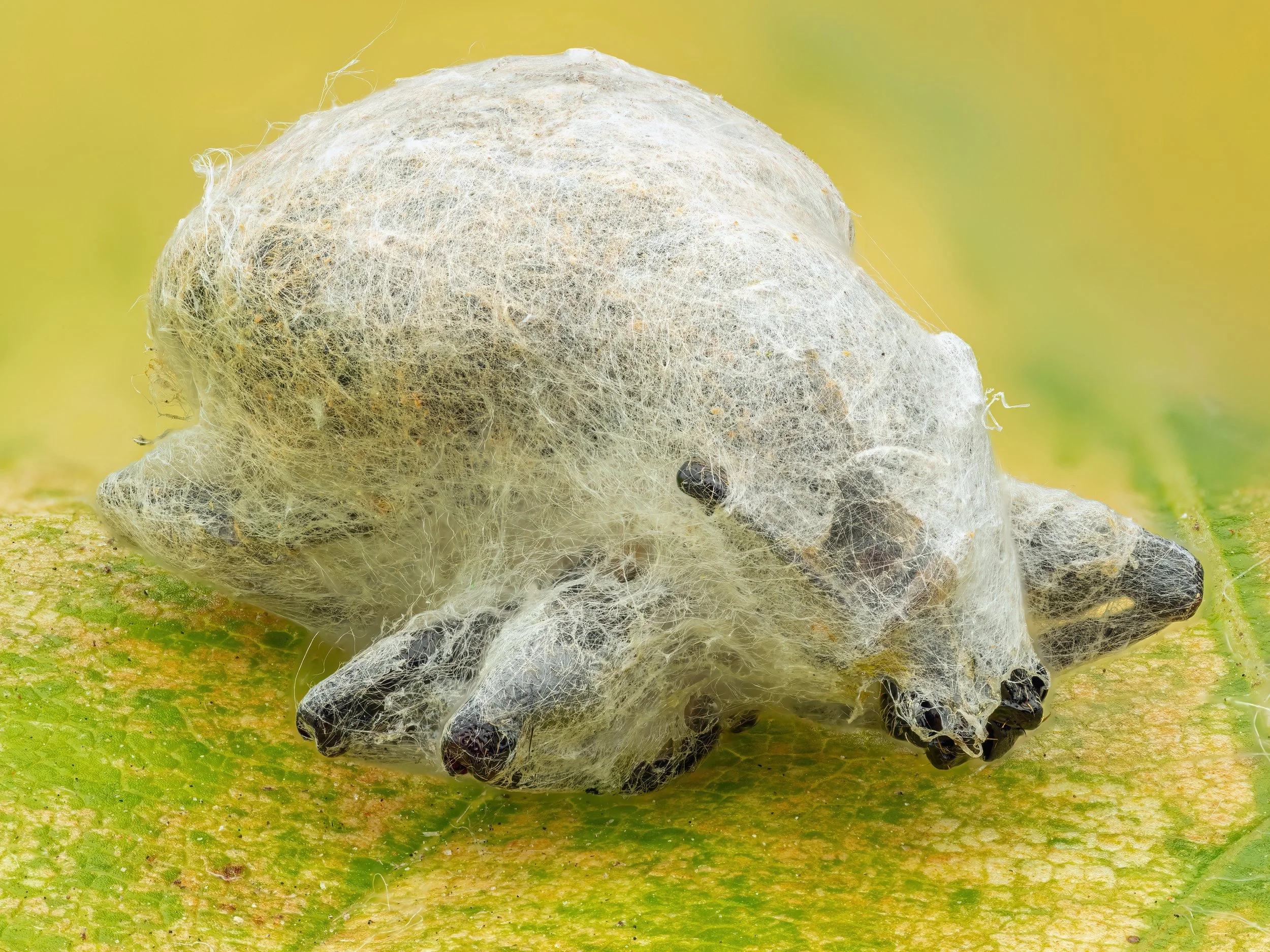
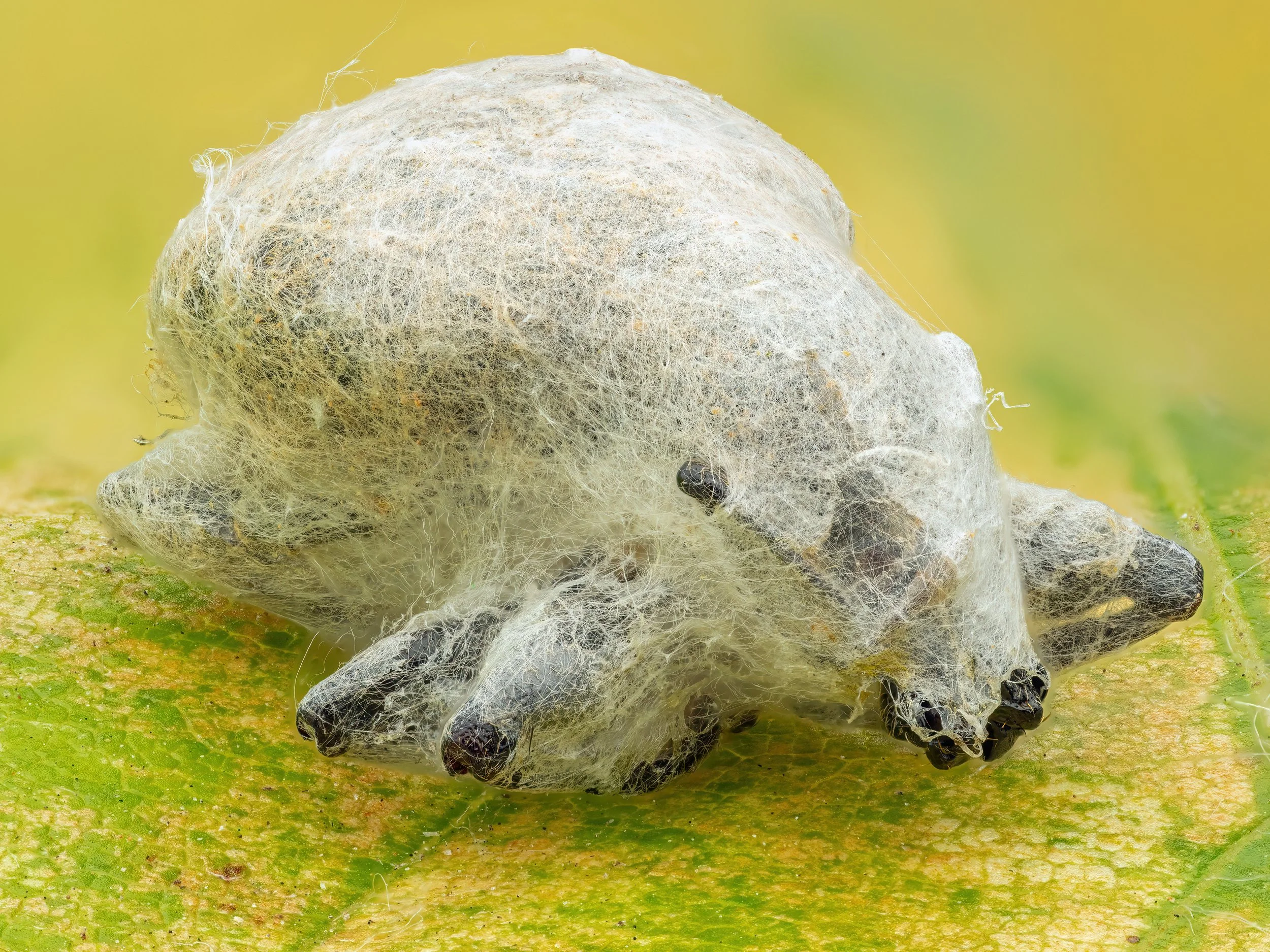
This is potentially the creepiest shot I’ve taken; it appears to be a weevil entombed in web, left on a leaf…
This shot was taken on the 27th of August in Harston.
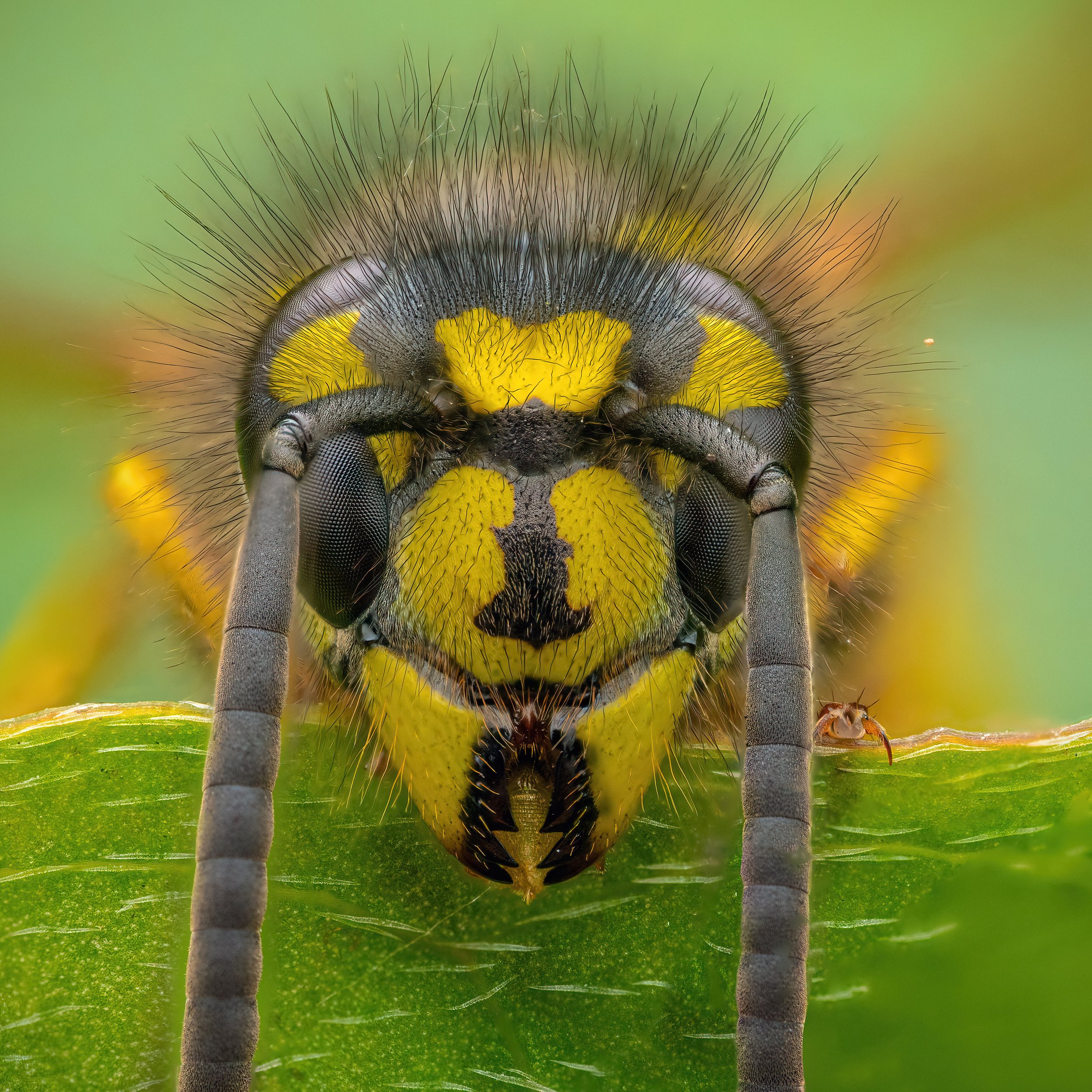
This is a shot I’ve been trying to get for the last few years. While it’s not perfect, I’m still very happy with it.
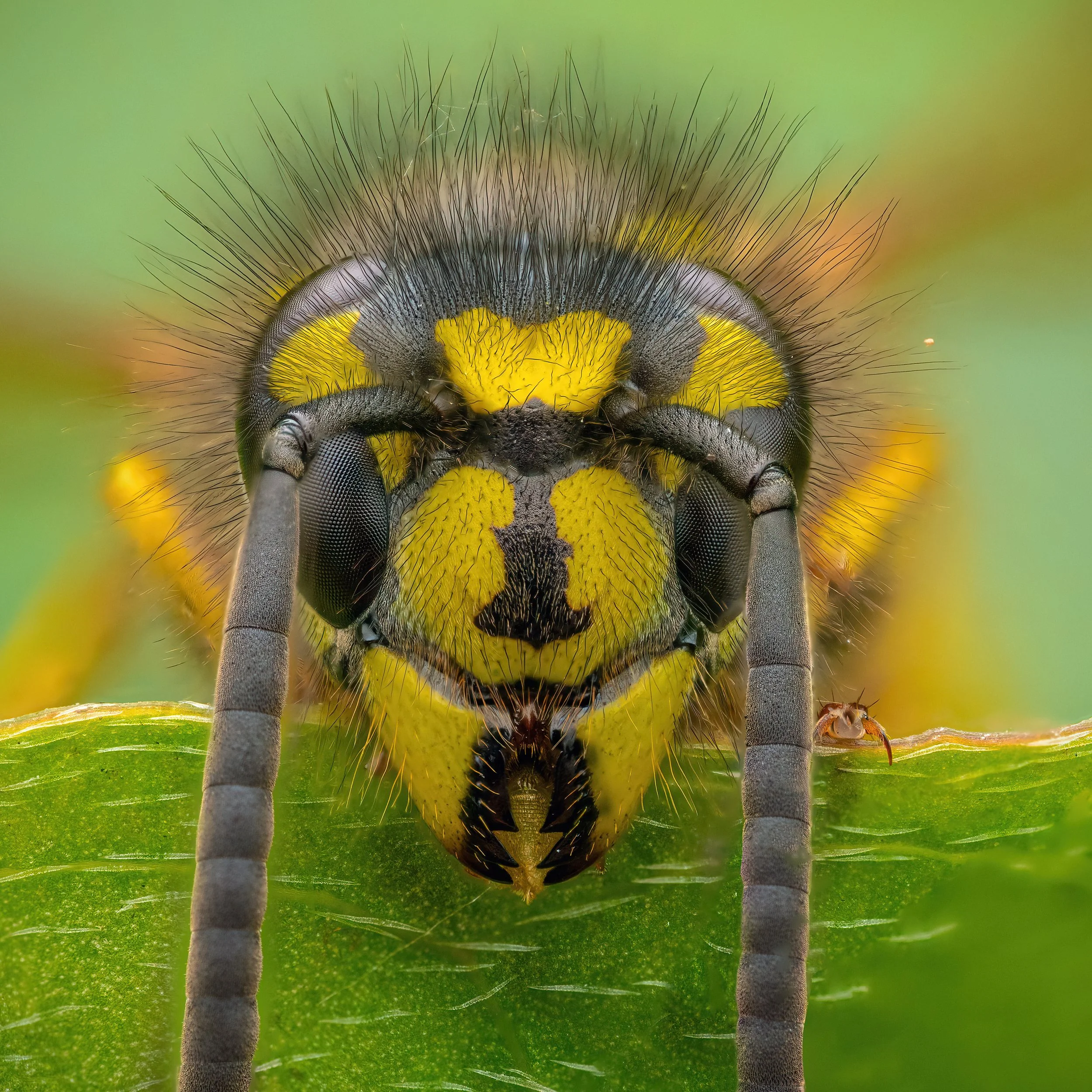
This is a portrait shot of a Common Wasp (Vespula vulgaris). For whatever reason, this wasp was very unreactive, which allowed me to frame and get this shot. This photo was taken at Harston on the 5th of September.
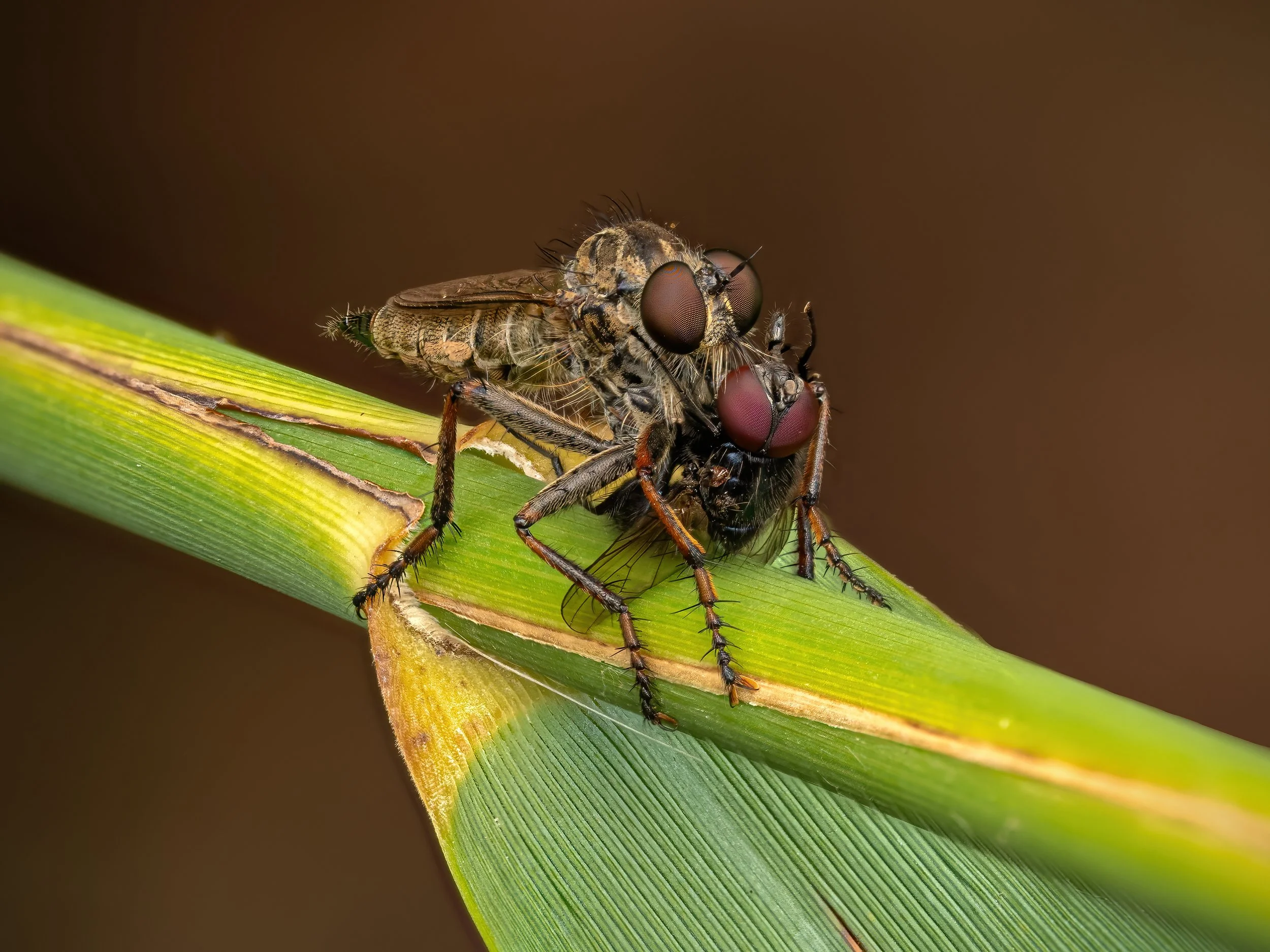
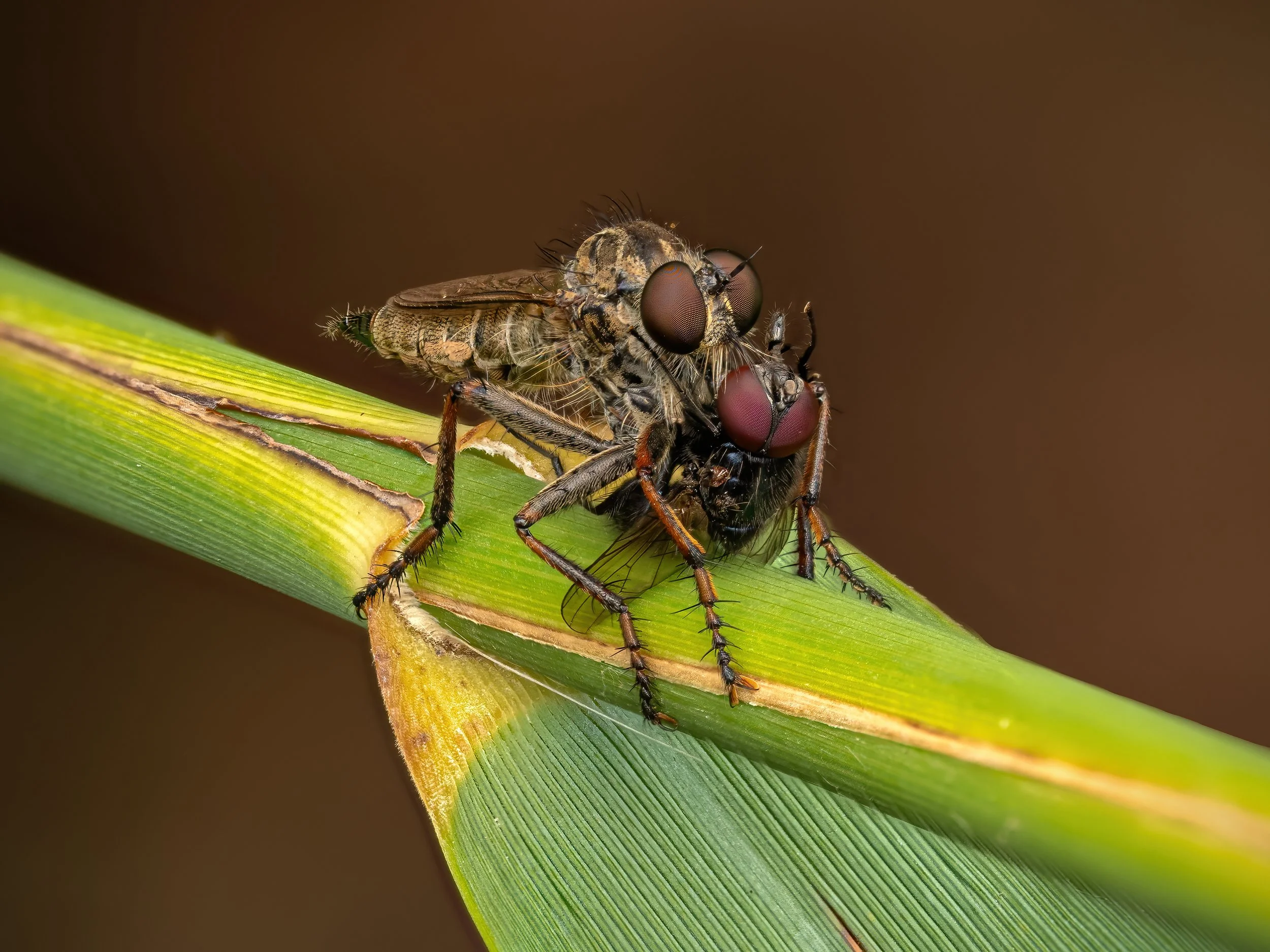
This late in the year, it was clear that the insect photography season was coming to an end, regardless I was lucky enough to get this shot of a Kite-tailed Robberfly (Tolmerus atricapillus), and its prey at Holme Fen on the 6th of September.
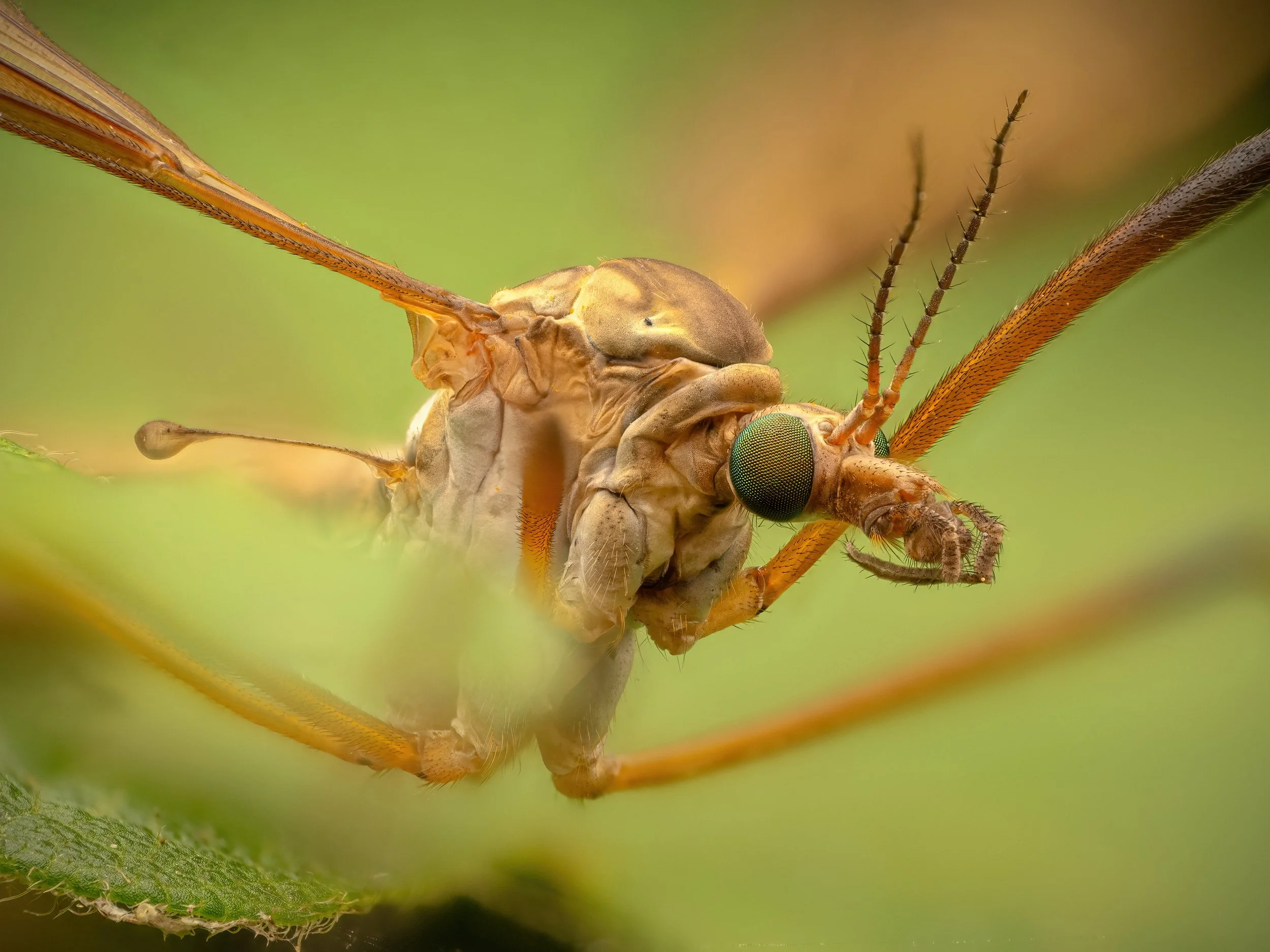
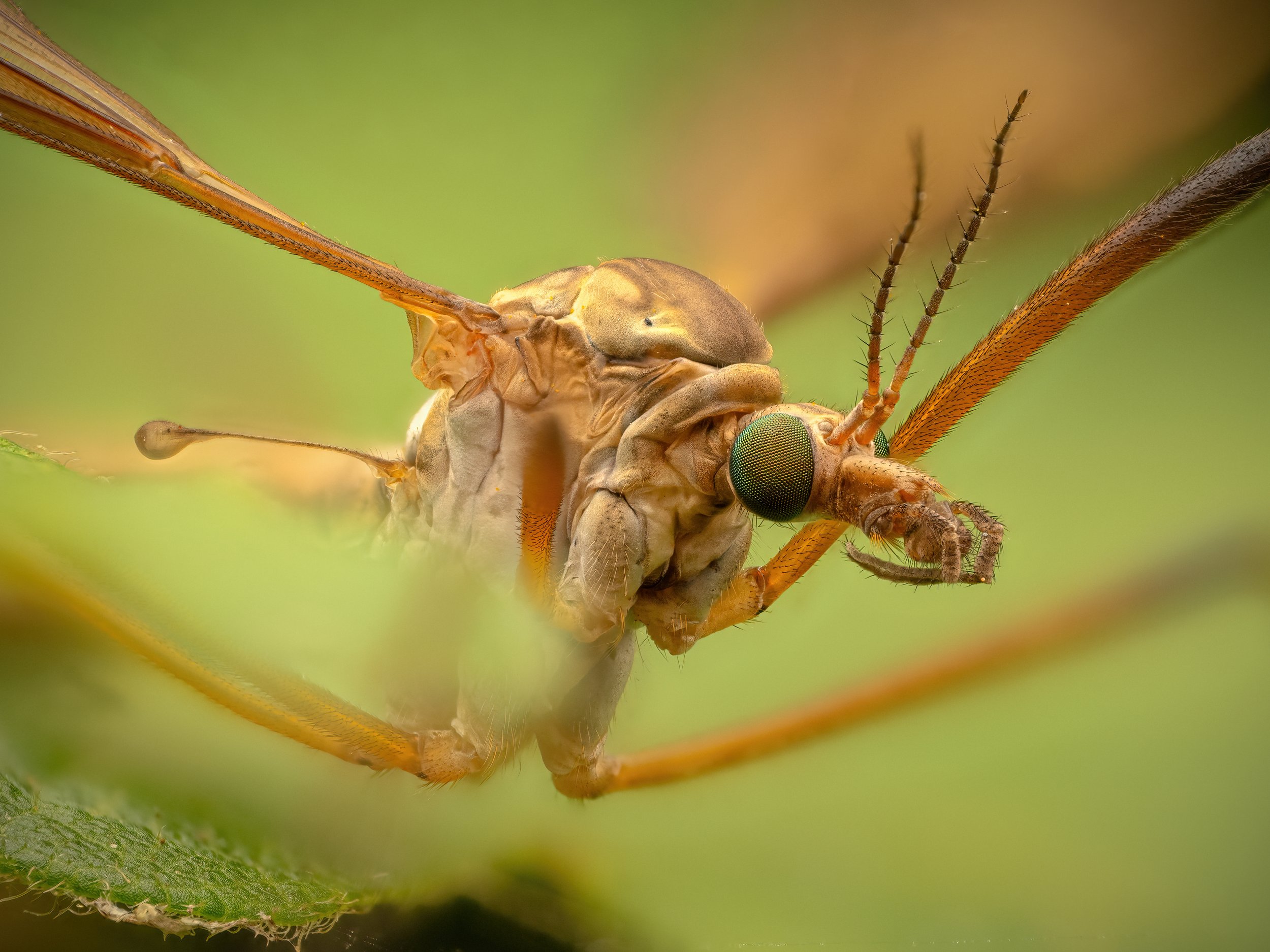
With the season coming to an end, the autumn species began to become more common. Here we have a really deep fous stack of a European Crane Fly (Tipula paludosa).
I really like the composition of this shot, it was taken early morning, the Crane fly was still inactive, every time I see this species up close, I can't help but think of the Sligs from Abe's Oddysee Oddworld…
This shot was taken at Monks Wood on the 21st of September.

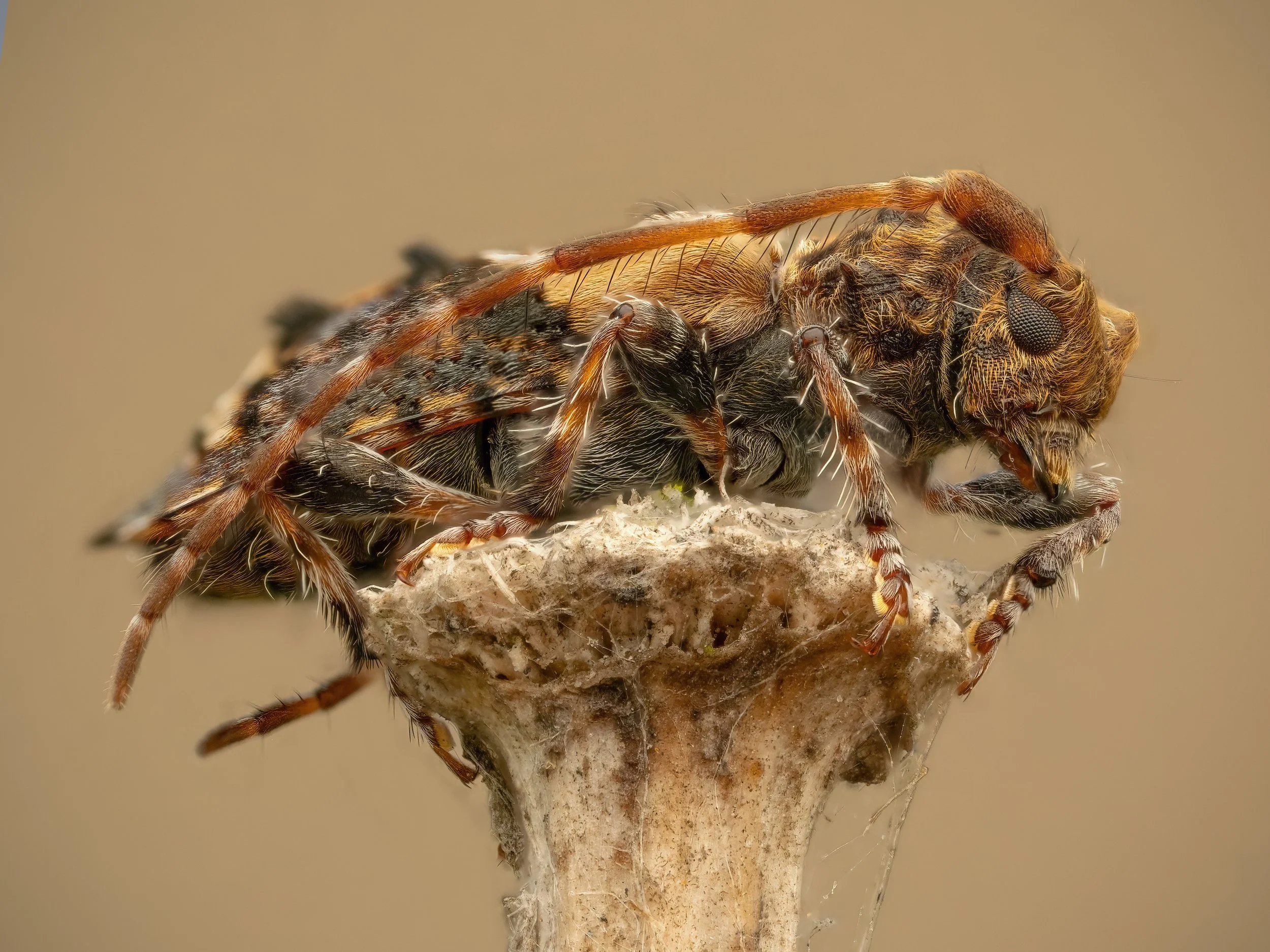
And here we have the final insect shot of the season. Unfortunately, this subject didn’t stay around very long, so I only managed to get this single stack, which wasn’t perfect. I’m still happy with it, though, as it marks a new species for me; this is a Lesser Thorn-tipped Longhorn Beetle (Pogonocherus hispidus) taken in Harston on the 13th of November.




Bird Photography
I’ve been taking a lot of bird photos this year, as well as macro insect shots. Here is a short selection of my personal favourites.
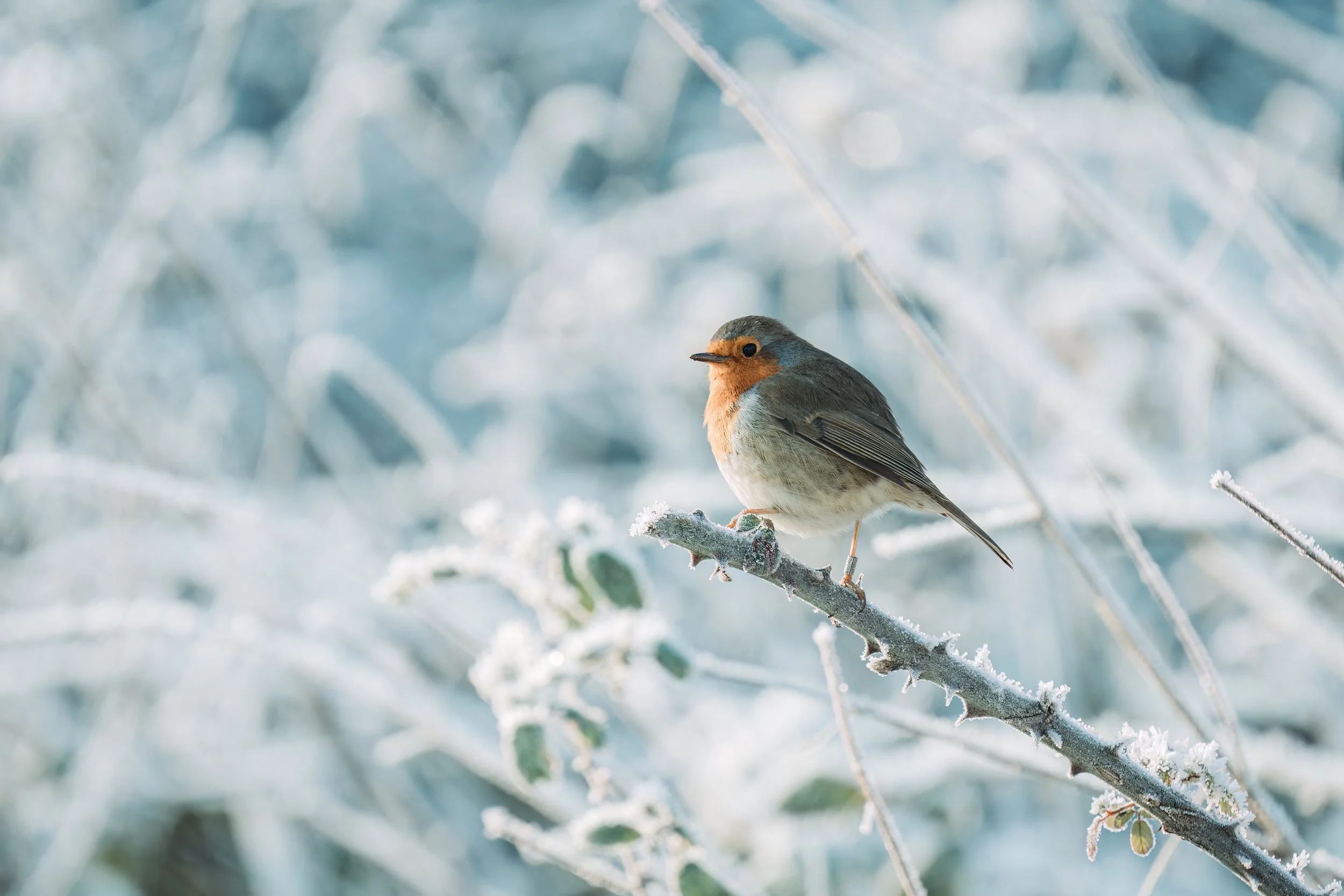
Winter Morning Robin (Erithacus rubecula) Taken at Paxton Pits on the 11th January.
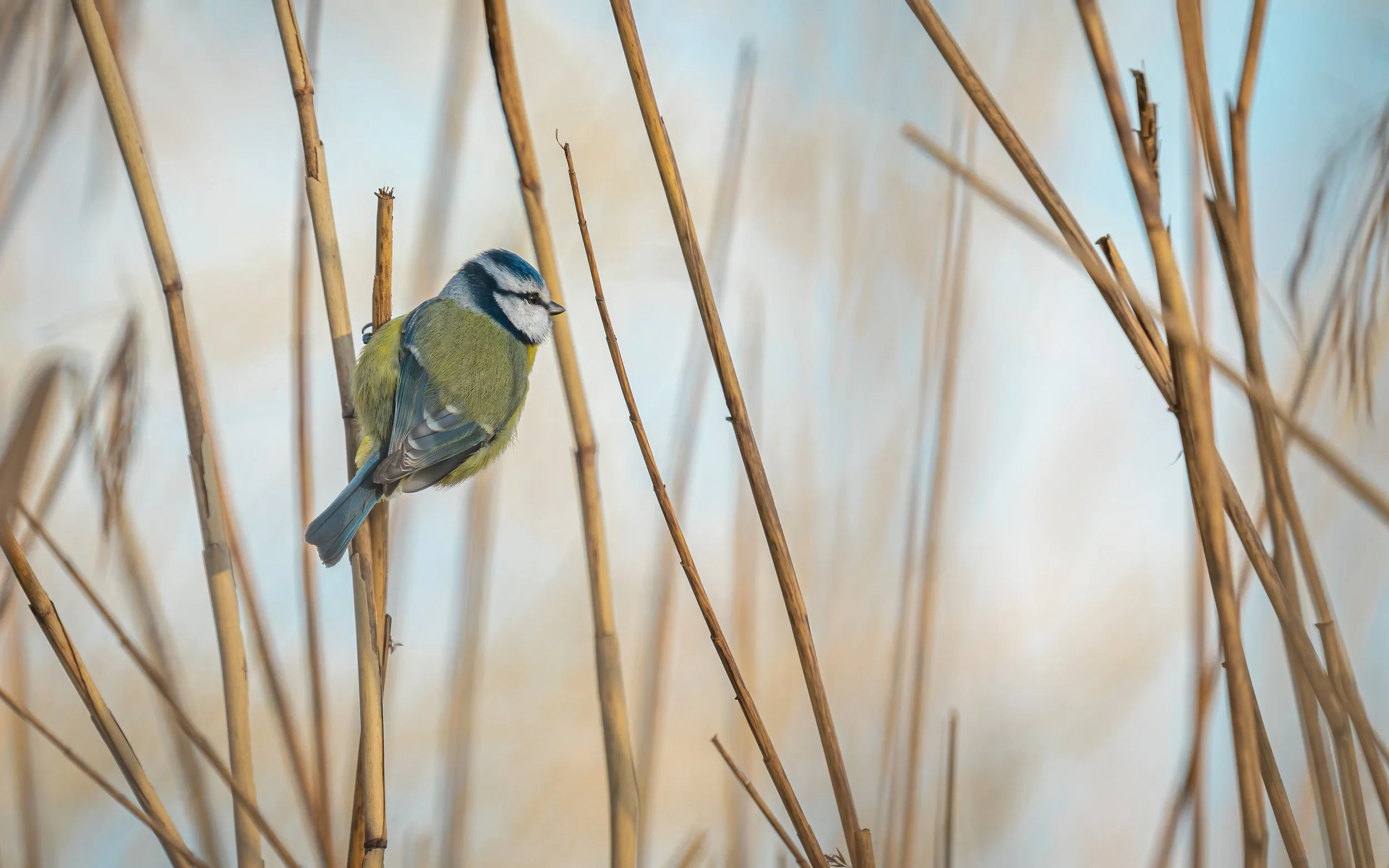
Blue Tit (Cyanistes caeruleus) in the reeds taken at Paxton Pits on the 25th January.
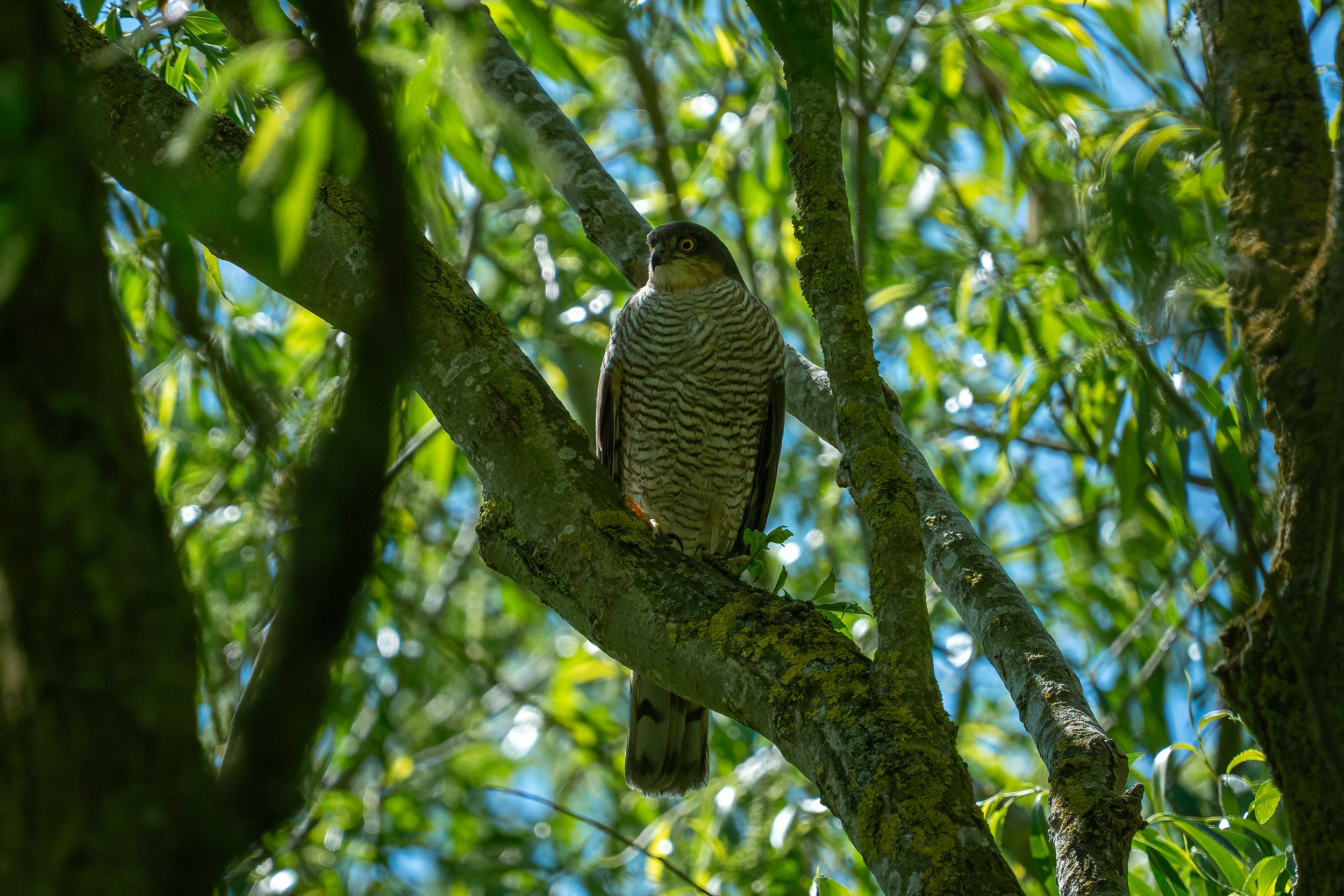
Eurasian Sparrowhawk (Accipiter nisus) taken at Harston on the 9th May.
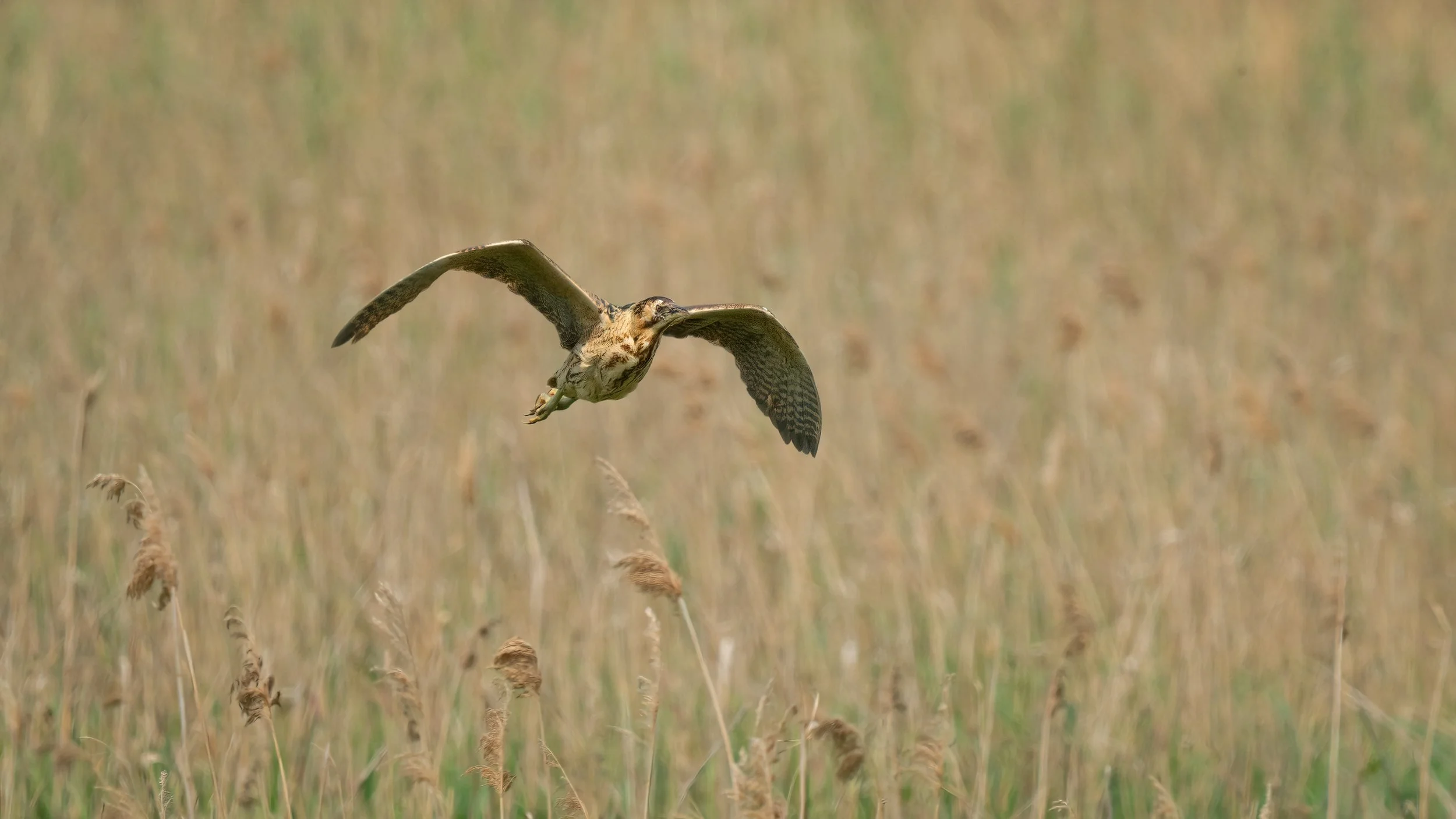
Bittern (Botaurus stellaris) in flight, taken at Woodwalton Fen on the 31st May.
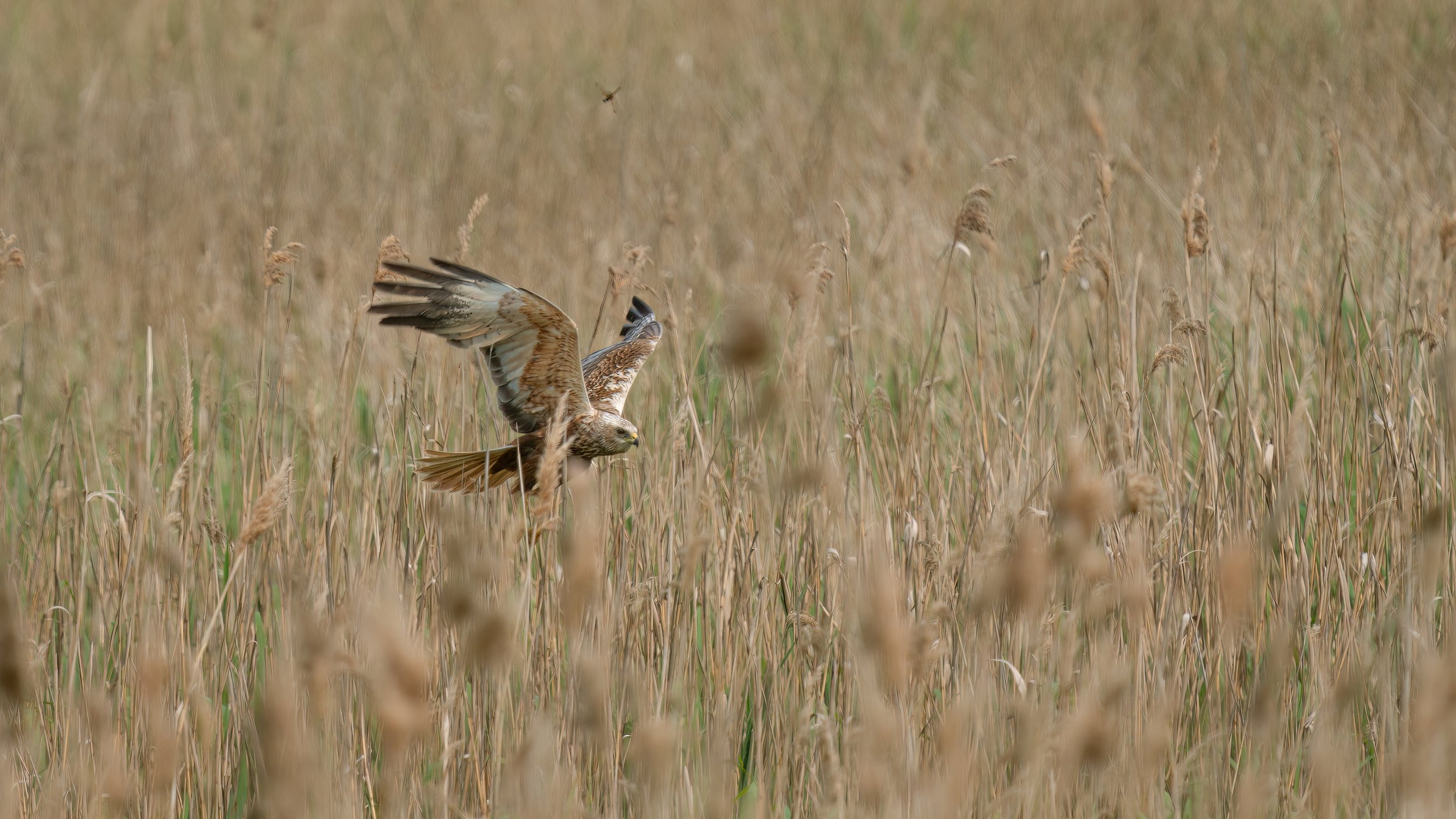
Male Marsh Harrier (Circus aeruginosus) also taken at Woodwalton Fen on the 31st May.
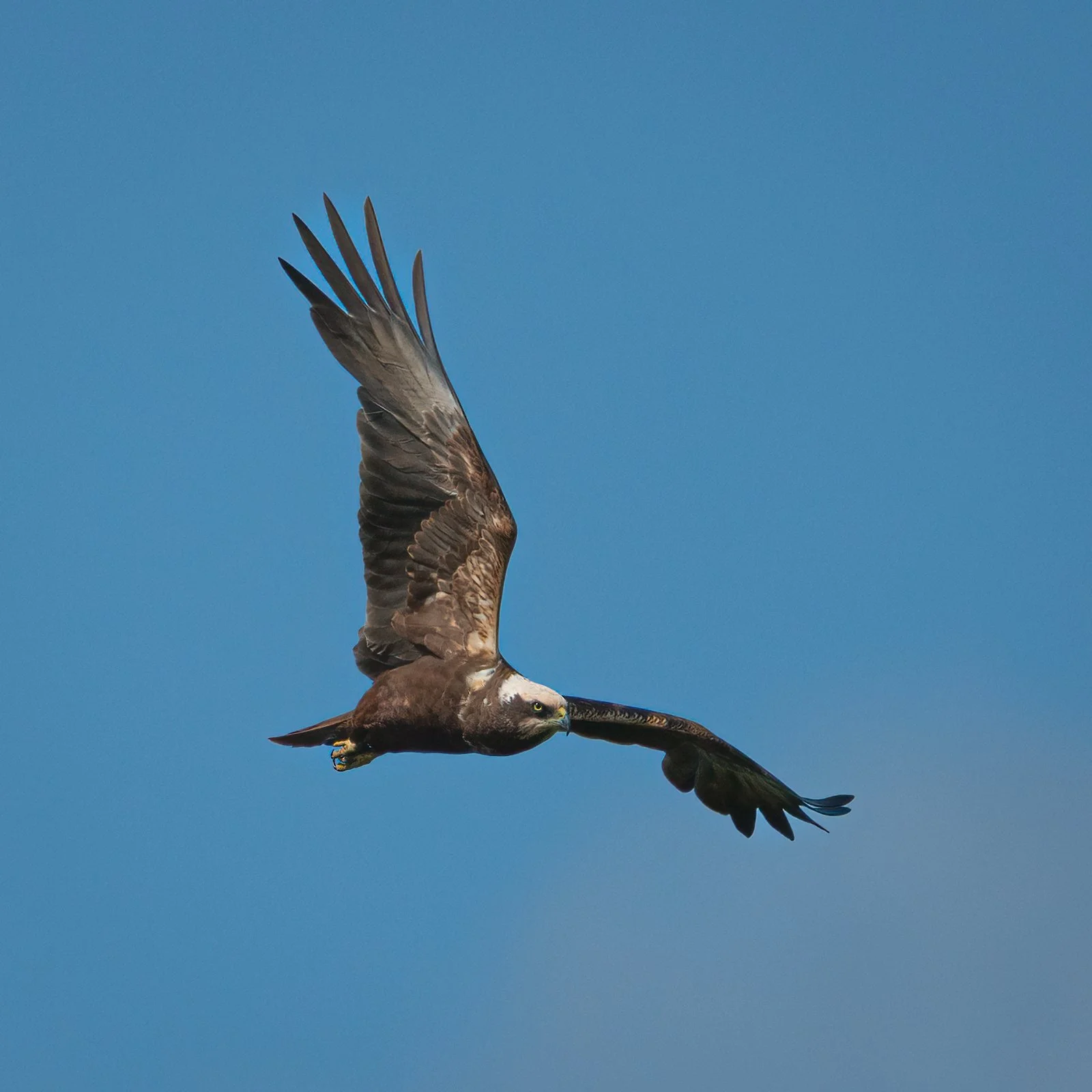
Female Marsh Harrier (Circus aeruginosus) taken at Woodwalton Fen on the 1st June.
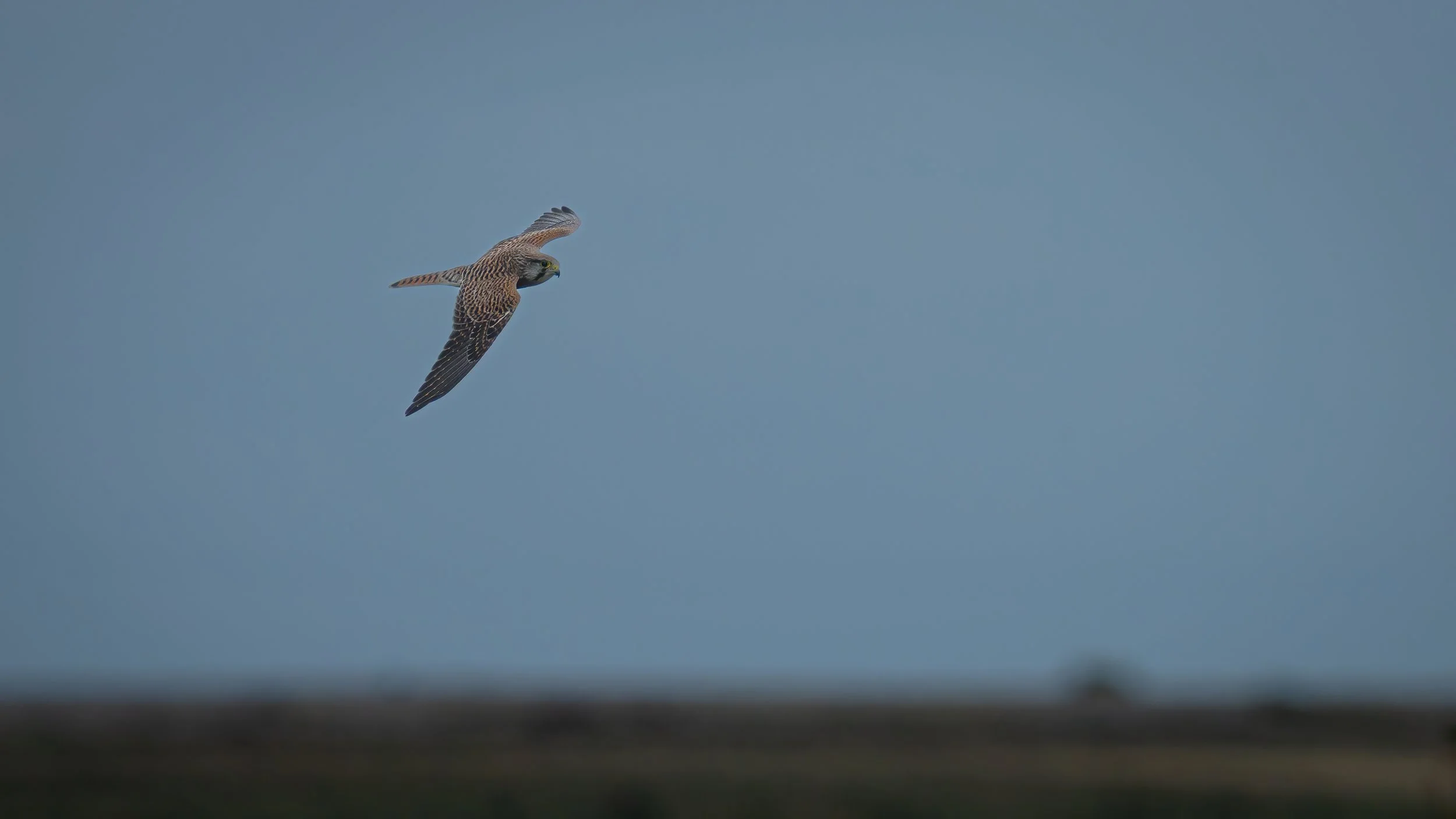
Common Kestrel (Falco tinnunculus) in flight taken at Cley and Salthouse Marshes on the 30th August.
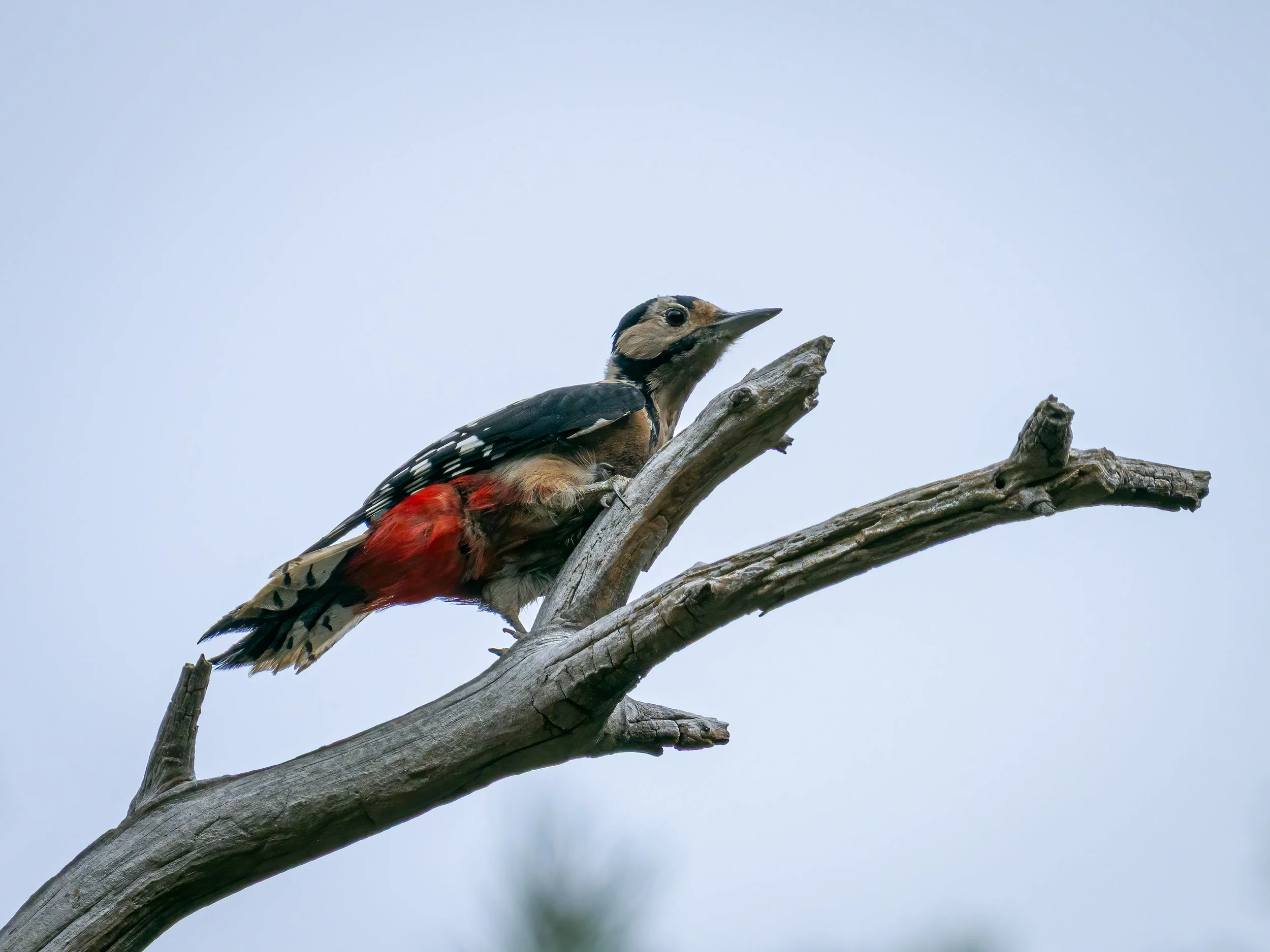
Great Spotted Woodpecker (Dendrocopos major) Juvenile taken at The Lodge (RSPB), Sandy on the 9th September.
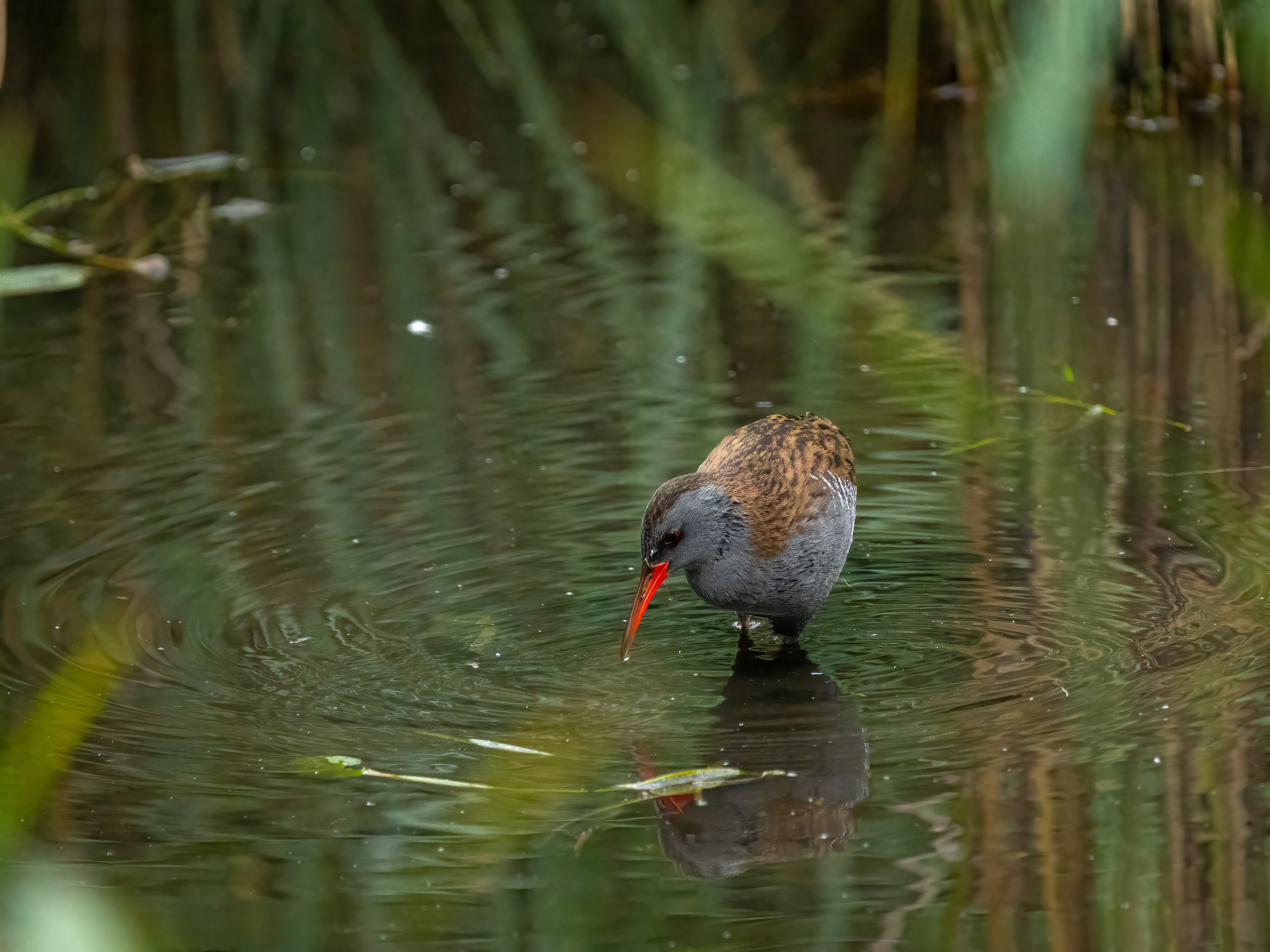
Water Rail (Rallus aquaticus) taken at Fowlmere (RSPB) on the 10th October.
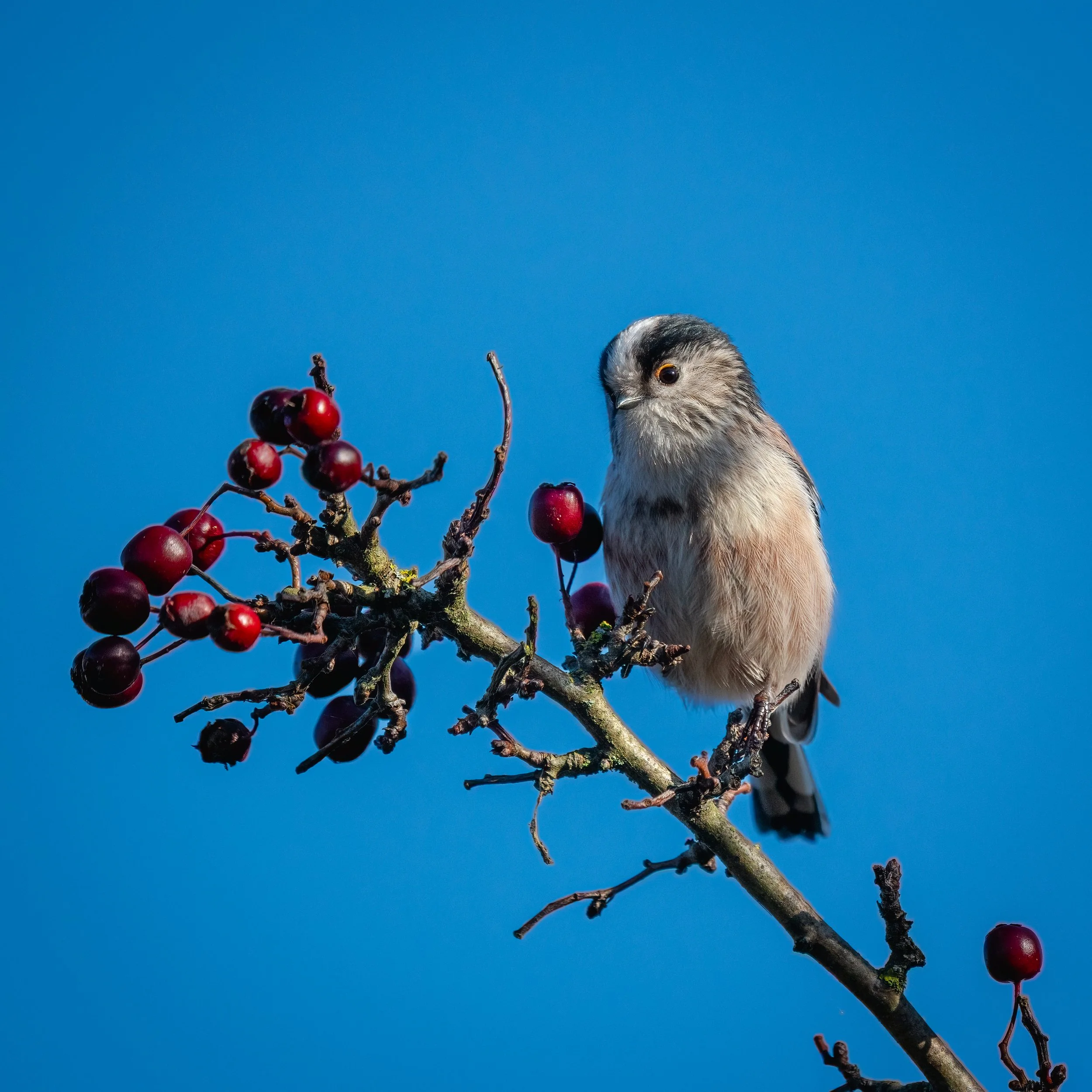
Long-tailed tit (Aegithalos caudatus) was also taken at taken as Fowlmere (RSPB) on the 26th November.